

In the bustling market of Luwero, tomato farmer Nantongo Robina carefully lays out her fresh produce, hoping for a good day’s sales.
For Robina, every coin earned goes toward supporting her family. Yet beyond the challenges of farming, she faces another obstacle — the high cost of owning a smartphone.
“Smartphones are expensive. I don’t have that Shs150,000 to buy one right now,” she says.
Robina believes owning a smartphone would transform her business. Instead of walking long distances to the market, she says she would simply take photos of her tomatoes and share them with potential buyers on WhatsApp.
“If I had one, I would just take a picture and post it and get buyers without coming to the market physically. I would also easily get the right herbicides for my tomato plantation by showing extension workers how it is faring,” she adds.
Her story reflects the reality of many Ugandans who remain excluded from the digital economy due to the high cost of smartphones.
Just a few kilometres away in Kasubi, Nabulagala, 22-year-old Jovan Ssebunya tells a different story. As a boutique owner, he has embraced digital tools to grow his business.
“Posting my clothes on social media has increased my sales. People who like my content send in their orders, which I deliver to their homes or workplaces,” Ssebunya explains.
With access to a smartphone and a laptop, Ssebunya has leveraged platforms like Facebook, Instagram, Snapchat and X (formerly Twitter) to expand his customer base beyond walk-in clients.
However, such success stories are still limited. According to the Uganda Communications Commission, only one in three Ugandans owns a smartphone, with national penetration standing at 33 percent.
Phone dealers say high taxes are a major barrier to affordability.
Matovu Edwin Frank, a Kampala-based phone dealer, recounts his losses after importing entry-level smartphones from China.
“I went to Guangzhou and bought about 80 smartphones at Shs40,000 each. But when I reached Entebbe Airport, URA demanded a huge import tariff. I paid part of it and left the rest of the phones there,” he narrates.
Another dealer, Joab Twinembabazi from Mutaasa Kafeero Plaza, echoes similar concerns.
“You can buy a phone in China at 70,000 shillings, but by the time it reaches Uganda, taxes can equal or even exceed the purchase price,” he says.
The government, however, says relief may be on the way.
ICT and National Guidance Minister Dr Chris Baryomunsi says discussions are ongoing to reduce smartphone costs.
“As a ministry, we are engaging stakeholders to reduce the cost of smartphones to about Shs50,000, and ideally as low as Shs40,000 so that more Ugandans can afford them,” he says.
He adds that upcoming budget measures could see some taxes reduced or scrapped altogether.
Uganda’s situation contrasts sharply with its neighbours. Kenya maintains a zero percent import duty on smartphones under the East African Community framework, contributing to a smartphone penetration rate of about 70 percent.
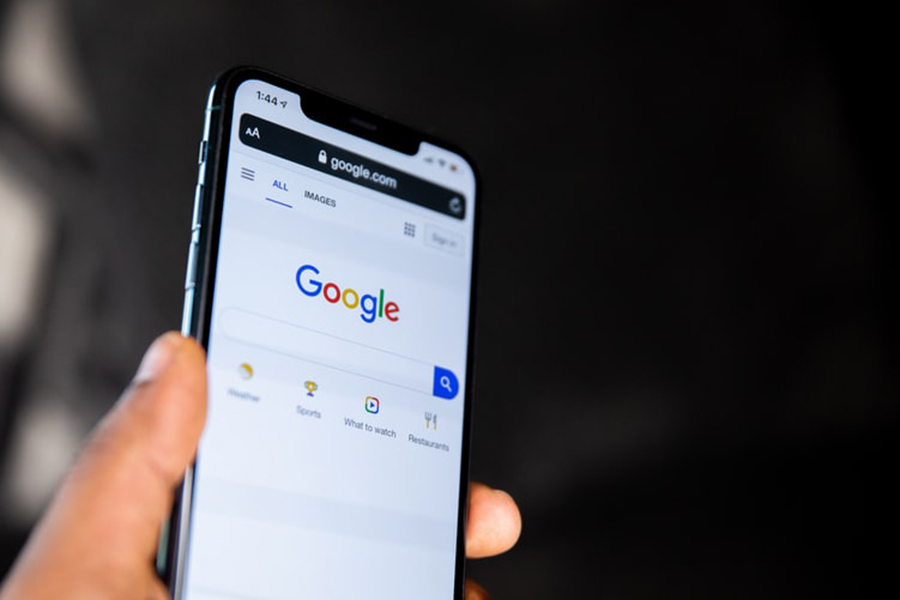
In Rwanda, the removal of VAT on smartphones in 2022 led to a 26 percent increase in smartphone penetration within a year.
Experts argue that Uganda could achieve similar gains by waiving the 10 percent import duty and 18 percent VAT on entry-level smartphones.
While this may reduce government revenue in the short term, they say the long-term benefits — including increased digital access, innovation and economic participation — would far outweigh the losses.
For farmers like Robina, such reforms could be life-changing, opening doors to markets, information and opportunities previously out of reach.
