

The National Social Security Fund (NSSF) is taking steps to integrate Uganda’s informal sector into its savings scheme, aiming to enable self-employed workers and small-scale entrepreneurs to start contributing to the fund.
NSSF projects its assets will grow to Shs 50 trillion by 2035, driven by steady annual growth of approximately Shs 3 trillion, underpinned by strong contributions, sound investments, and expanded voluntary savings options.
Patrick Ayota, managing director of NSSF, said this year’s focus is on engaging the informal sector while ensuring that participation provides tangible value for contributors.
“We are actively engaging entrepreneurs, farmers, and even bodaboda operators, providing guidance and seed capital where possible. This approach helps people understand the benefits of saving with NSSF,” Ayota said.
He added that the fund expects to collect about Shs 2.4 trillion in contributions for the 2025/2026 fiscal year, marking significant growth in Uganda’s economy.
Despite progress, compliance remains uneven across the country. Ayota noted that while 60% of employers nationally are compliant, uptake in the mid-western region is still low.
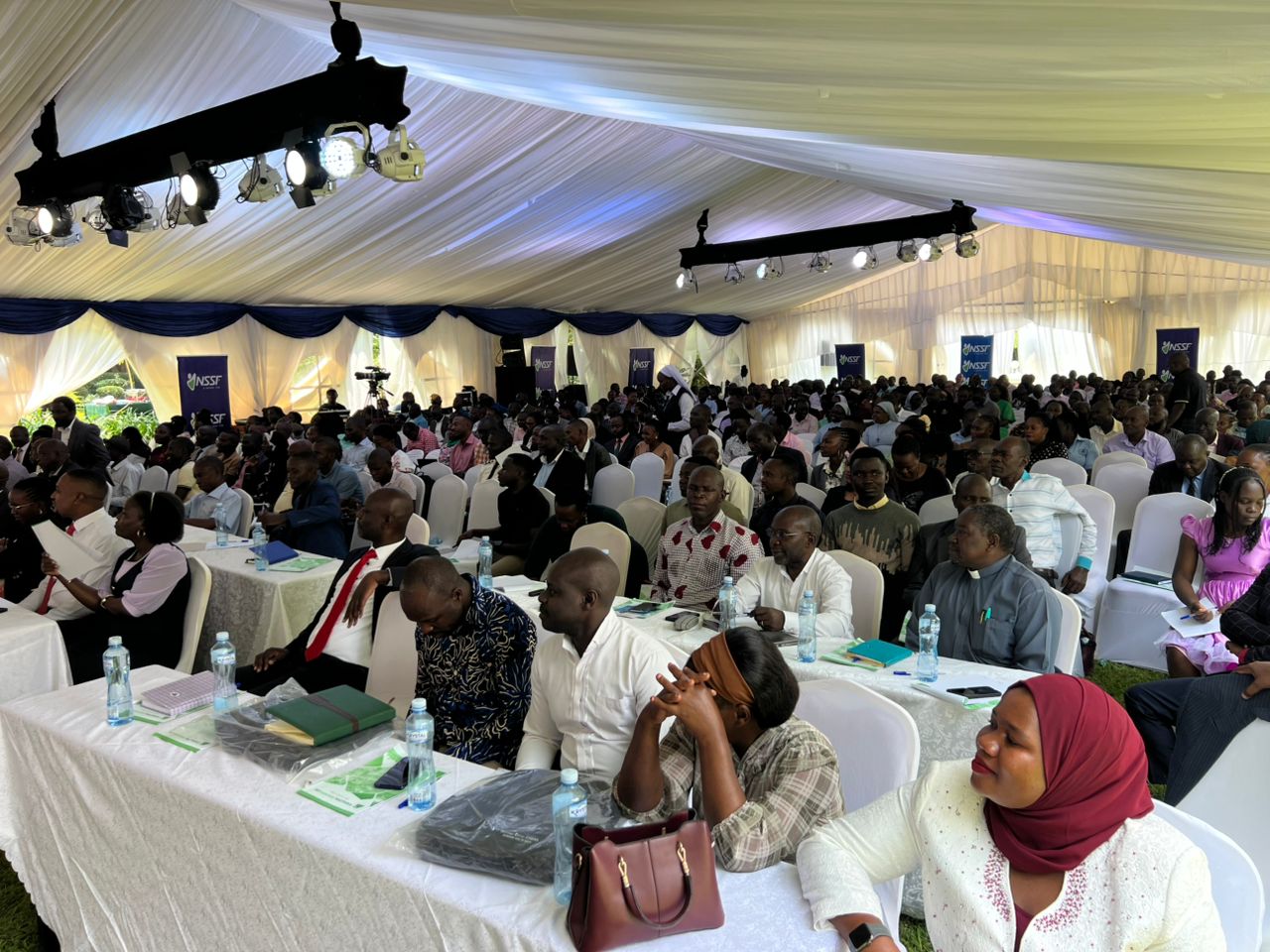
“As we hold our regional meeting here in Hoima, we want to highlight that there is still low compliance in paying for staff, especially by most employers,” he stated.
Geoffrey Sajjabi, NSSF Chief Commercial Officer, urged employers to register all staff with the fund and remit contributions on time.
“Every employee, even part-time staff, should have an NSSF account. The contributions will help them invest for their future and ensure financial security when they retire,” Sajjabi said.
The initiative to include the informal sector reflects NSSF’s broader strategy to expand its reach, enhance retirement savings culture, and provide long-term financial security to all working Ugandans.
