

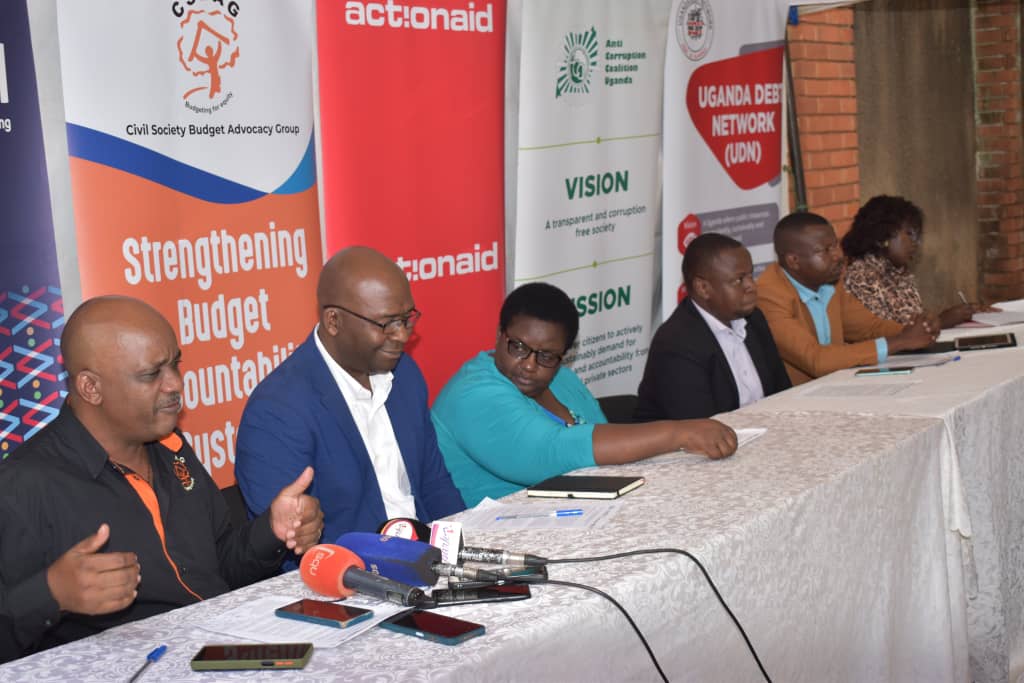
Members of civil society have raised concern over the government’s recent rationalization of public entities, suggesting that the anticipated Shs1 trillion in savings could, in fact, lead to higher expenses.
They argued that several entities, which could have contributed to significant cost-cutting, were overlooked in the restructuring, casting doubt on the effectiveness of the process.
The rationalization initiative, intended to consolidate overlapping functions within government agencies, has been a key element of President Museveni’s drive to streamline public service and reduce the financial burden on the state.
However, days after the process was finalized, criticism persists among stakeholders who fear it may not deliver the promised savings and could, instead, cost taxpayers more in the long run.
“Some entities that should have been rationalized were left untouched,” argued Julius Mukunda, the executive director CSBAG, emphasizing that the exclusion of certain agencies could undermine the program’s impact.
Responding to the criticisms, NRM spokesperson Emmanuel Dombo defended the process, asserting that the restructuring had to begin from a specific point.
He underscored that the president possesses the prerogative to determine the sequence and prioritization of such reforms.
“The process had to start somewhere, and the president holds the discretion to decide where to start,” Dombo stated, dismissing concerns that the exercise was inadequately thought out.
During the Anti-Corruption Week launch, activists highlighted the need for new legislation, calling on the government to implement laws such as an asset forfeiture law and a campaign finance law.
These measures, they argued, would empower citizens in the fight against corruption by ensuring greater transparency and accountability in both public spending and political campaigns.
“We need these laws to be in place to enhance citizen engagement and curb corruption,” said Marlon Agaba, the executive director Anti-corruption coalition Uganda
Similarly, John Muguzi, another activist, reinforced that without such frameworks, fighting corruption would remain an uphill task.
