

In March 2018, African countries signed the African Continental Free Trade Area Agreement (AfCFTA) which is a legal instrument establishing a free trade area among the African Union Member States.
It creates a single African market of over 1.3 billion consumers and it would be the world’s largest free trade area with a total GDP of over $ 3.4 trillion.
As of February 5 2021, 36 countries had deposited their instruments of ratification, 36 countries have ratified the AfCFTA agreement.
The AfCFTA provides an opportunity for countries in the region to competitively integrate into the global economy, reduce poverty, and promote inclusion.
With Small and Medium Enterprises (SMEs) accounting for a substantial amount of economic activity in Uganda, including a sizeable share of Uganda’s regional trade, they are thus extremely relevant for achieving the AfCFTA goals.
However, SMEs are confronted with challenges that affect their production and export potential, thereby hindering their ability to participate fully in global trade.
Key among these is the low level of awareness amongst SMEs about the existence of the AfCFTA Agreement and its provisions.
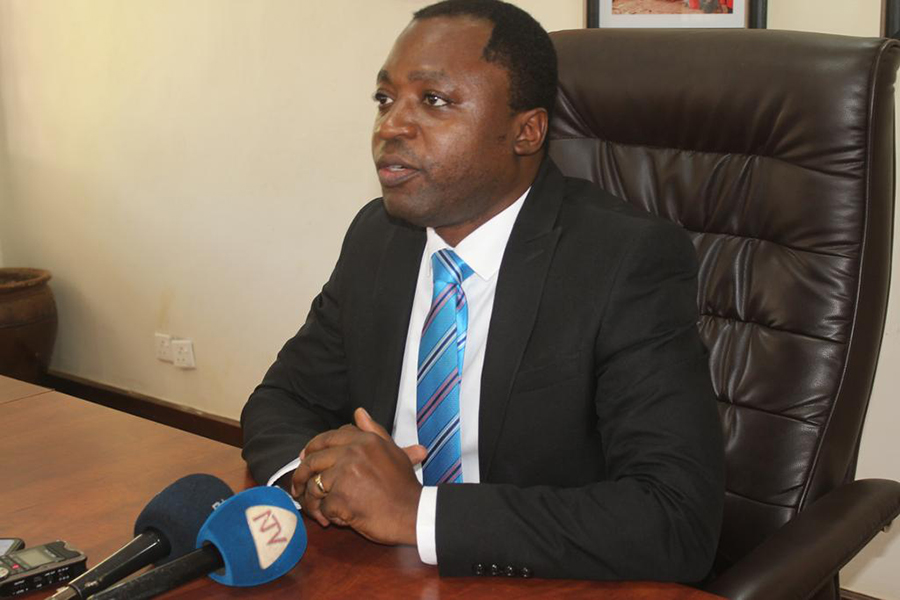
To address these problems, the executive director Federation of Small and Medium-Sized Enterprises Uganda (FSME), John Walugembe said they have received funds from the United Nations Development Programme (UNDP) under the SMEs for trade initiative.
Without mentioning the amount of money received, Walugembe told the Nile Post that the initiative seeks to create awareness among stakeholders on the AfCFTA opportunities for Uganda, support the development of the national AfCFTA implementation strategy and establish a catalytic co-investment trade financing facility to facilitate SME participation in the AfCFTA.
"Under this initiative, FSME will create awareness on the African continental free trade area and strengthen the export capacities of 300 SMEs to export. We want to particularly prioritise youth and women owned SMEs. We want to prioritise SMEs in the key economic hubs in this country. We are also looking for SMEs engaged in value addition, particularly in priority and strategic commodities that have been identified,"he said.
Walugembe said that they are looking for the registered SMEs with a turn over between Shs 10 million to Shs 3 billion a month, businesses that have been in operation for a period between two to three years, businesses with an almost ready export products and businesses whose owners are committed to participate in this programme.
He said it creates a liberalised market for goods and services through successive rounds of negotiations and contributes to the movement of capital and natural persons and facilitate investments building on the initiatives and developments in the state parties and RECs.
Unlike other continents, Africa’s trade is characterised by limited intraregional activity.
