

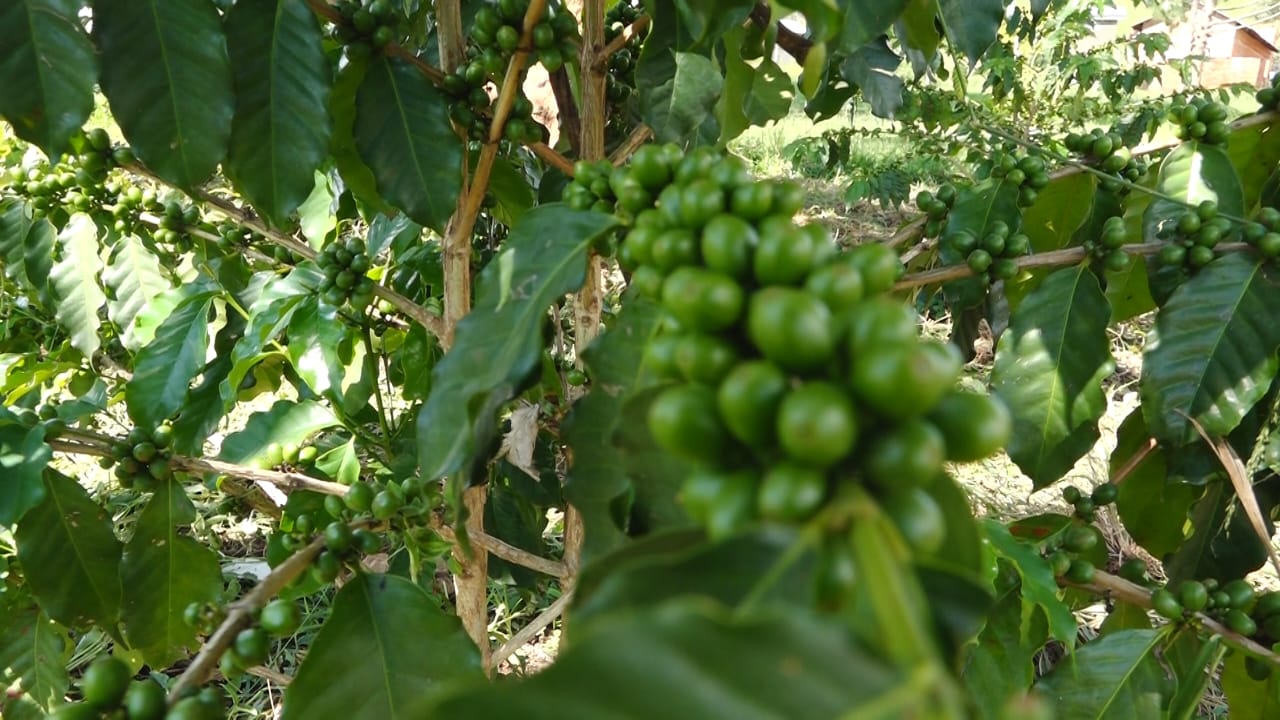
In Serere District, a quiet transformation is unfolding—not only on farms, but in classrooms—as coffee farming takes root in both education and local enterprise.
As government rolls out coffee seedlings to farmers across the district, some schools are already demonstrating how the crop can serve both as a teaching tool and a source of sustainable income.
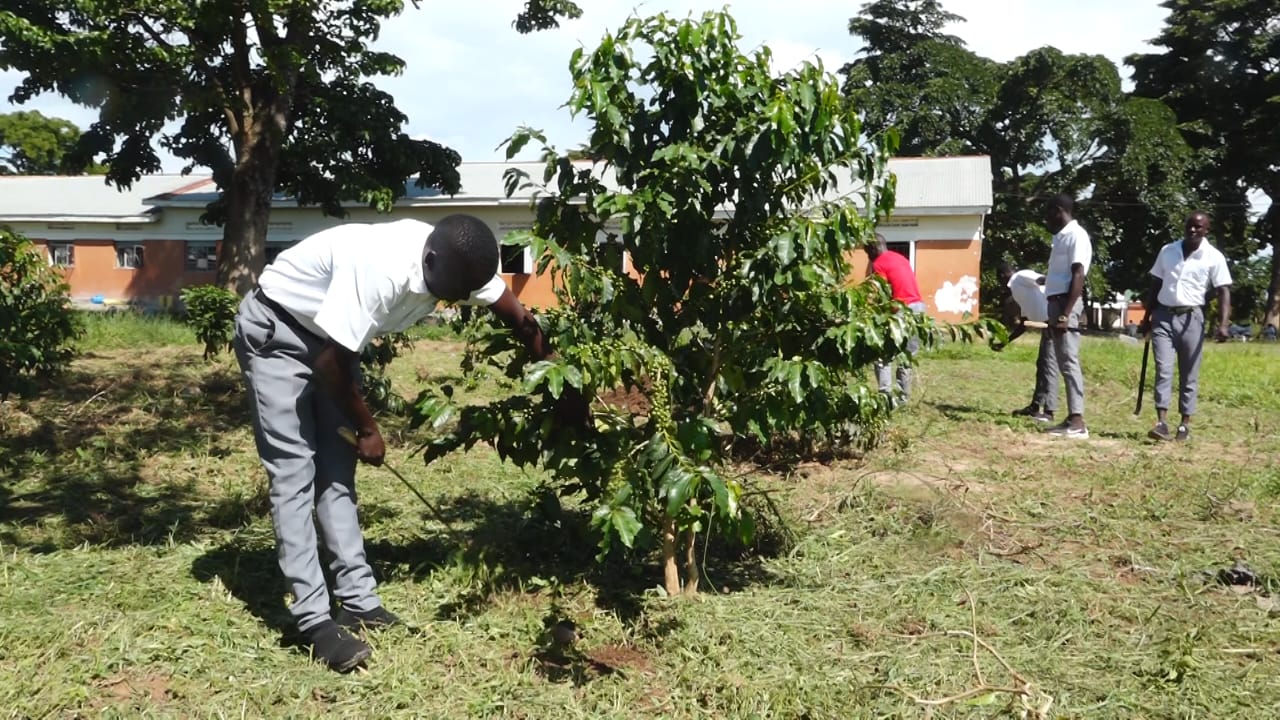
At the centre of this shift is Kateta Hillview Secondary School, where a coffee demonstration garden is reshaping how students learn agriculture while also generating early economic value for the institution.
Headteacher Emmanuel Olaboro said the initiative was introduced to bridge the gap between theory and practical agricultural training.
“Students were always told coffee is important, but they had never seen it. We decided to plant it so they can learn by doing,” he said.
What began as a small trial of about 40 coffee trees has now expanded into a growing project, with the school setting aside up to five acres for coffee cultivation and planning to plant at least 1,000 trees.
Beyond its educational value, the project is also becoming a financial support system for the school, with management saying coffee revenues will help supplement income and ease pressure on tuition fees paid by parents.
Teachers say the initiative is also benefiting surrounding communities by serving as a practical demonstration site for modern farming techniques.
“We are testing different coffee varieties and demonstrating proper agronomic practices like spacing, manure application and watering,” said teacher Mugume Ronald.
The school follows recommended agricultural practices, including digging two-by-two-foot planting holes, spacing trees three metres apart, and using organic manure to improve soil fertility. While irrigation is currently manual, there are plans to expand infrastructure as the project grows.
The school’s efforts align with a wider government programme led by the Ministry of Agriculture, Animal Industry and Fisheries, which has distributed more than 50,000 coffee seedlings across Serere District.
State Minister for Fisheries Helen Adoa said the intervention reflects government’s push to promote coffee as a high-value enterprise, in line with President Yoweri Museveni’s agricultural transformation agenda.
She also revealed plans to establish large coffee demonstration farms at Serere Research Station to support both farmers and students through study visits and practical training.
Agricultural experts say Robusta coffee is better suited to the Teso sub-region than Arabica, which is more vulnerable to diseases such as coffee leaf rust.
Soil tests in Serere, they add, show favourable conditions for coffee production, especially with the use of livestock manure widely available in the area.
Local leaders are urging farmers to embrace the initiative fully.
Resident District Commissioner John Stephen Ekom warned against neglecting the seedlings, saying proper management will be key to improving household incomes.
District Agricultural Officer Asakenye Caroline Ikodet said the integration of coffee into schools and communities marks a turning point for the region’s agricultural outlook.
“This is a new enterprise for the region, but with proper management and guidance from extension workers, farmers will benefit,” she said.
Farmers who have already received seedlings describe coffee as a potential pathway out of poverty in a region long ranked among the least economically empowered.
As schools like Kateta Hillview take the lead, Serere is emerging as a model where education, innovation, and agricultural transformation grow side by side.
