

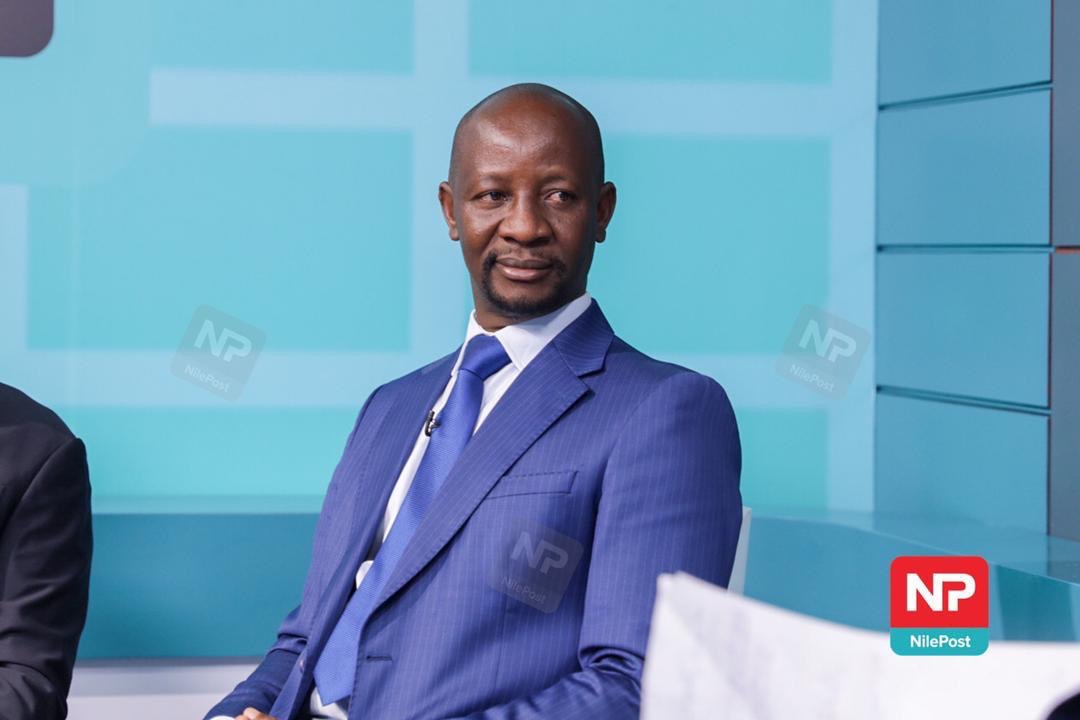
Outgoing Kira Municipality Member of Parliament, Ibrahim Ssemujju Nganda, argued that the leadership of the National Unity Platform (NUP) led by two time presidential candidate Robert Kyagulanyi Ssentamu, popularly known as Bobi Wine, miscalculated by assuming that veteran opposition figure Kizza Besigye had simply run out of political steam, after having unsuccessfully contested for the presidency four times, warning that such assumptions may have led to strategic errors within the opposition group.
Speaking during NBS Frontline on Thursday, Ssemujju urged opposition actors to exercise caution when interpreting recent elections, noting that President Museveni’s continued electoral success should not be casually dismissed or underestimated.
“The founders of the National Unity Platform made a mistake thinking that Dr Kizza Besigye had simply failed. They thought they would pump in new energy and everything would change. We need to be very careful when dismissing Museveni’s achievement in this election,” he said.
Ssemujju, who has represented Kira Municipality since 2016, emphasized that he lost the January 15, 2026 parliamentary election fairly and had no grounds to challenge the outcome.
“I told you on the Morning Breeze that I lost fairly. If I lost fairly, I can’t dismiss that election because I would be a joke. I never had any disruptions during my campaigns. I didn’t expect to lose the elections, but when the results came out, I had lost and I conceded,” he said.
In the hotly contested race, Ssemujju was defeated by NUP candidate George Musisi, a seasoned Kampala-based lawyer, by a margin of 6,876 votes—a gap that stunned even some of Ssemujju’s most ardent supporters.
The loss marked a dramatic reversal of fortune for the outspoken legislator.
In 2016, Ssemujju swept the newly created Kira Municipality seat with over 70 percent of the vote, defeating NRM’s Juliet Najjuma by a margin of about 30,000 votes.
He repeated the feat in the 2021 elections, surviving the then-surging NUP wave by beating NUP’s Ji Lukwago by roughly 28,000 votes.
Ssemujju recounted an exchange with a ruling party legislator that he said spoke volumes about Uganda’s political culture.
“An NRM MP told me that the problem is that I abuse them a lot; otherwise, they would have helped me to return to Parliament,” he said.
Ssemujju also pointed to regional examples to underscore the importance of political pluralism, citing Kenya as a case study.
“The reason there is competition in Kenya is because no single political party is a monopoly,” he said, suggesting that genuine competition thrives where political dominance is checked.
Despite his defeat, Ssemujju insisted that he is deeply committed to activism and will continue fighting for the struggle for freedom, but this time round, outside Parliament.
