

The Inter-Religious Council of Uganda (IRCU), operating under the umbrella of Religions for Peace, has issued a pastoral letter urging Ugandans to uphold peace, justice, and national unity in the lead-up to the forthcoming general elections.
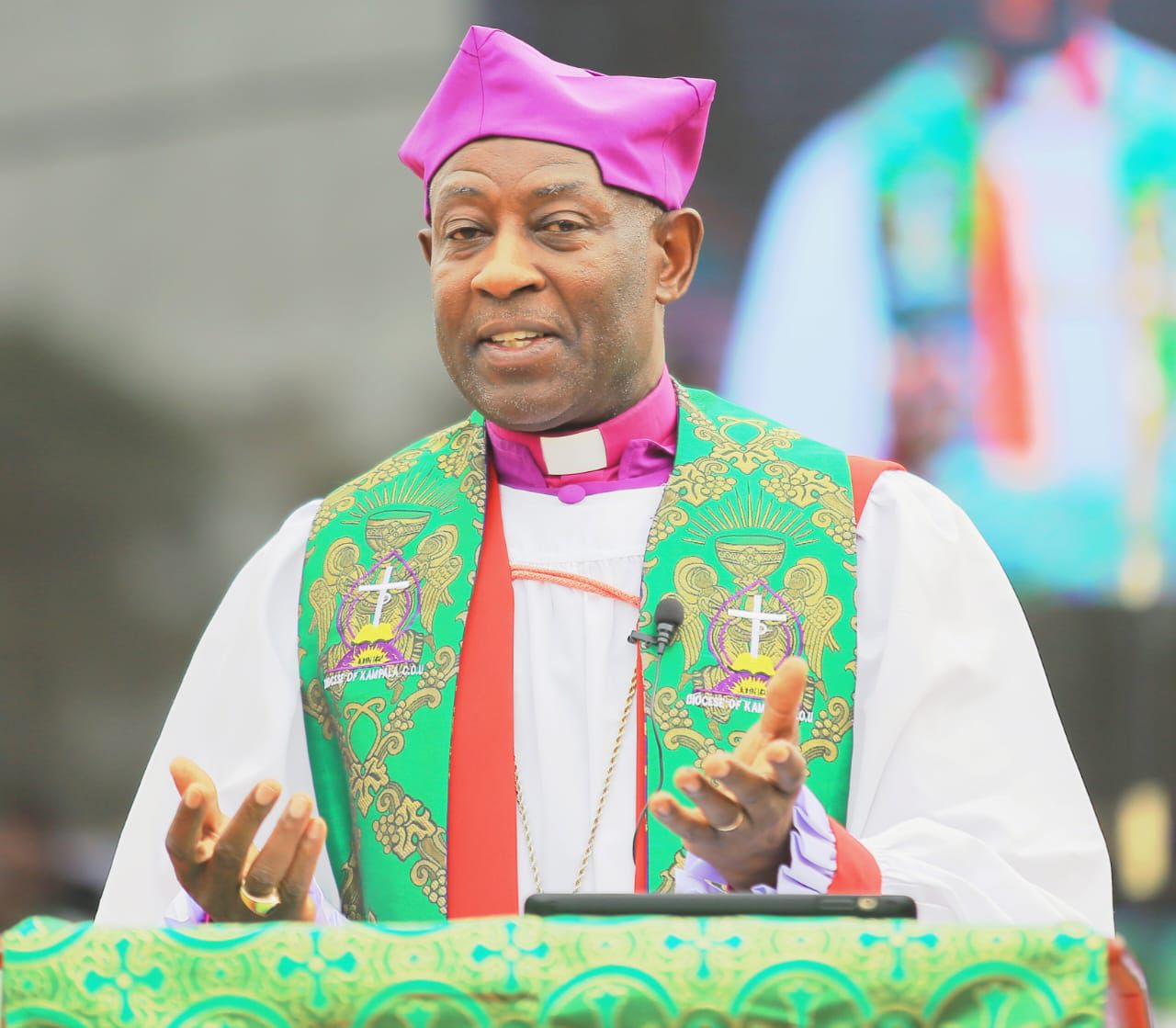
In a letter dated January 7, 2026, and signed by The Most Rev. Dr. Stephen Samuel Kazimba, Archbishop of the Church of Uganda and Chair of the IRCU Council of Presidents, faith leaders warned that while elections are vital democratic exercises, they can also become sources of division and violence if not guided by fairness, restraint, and respect for human dignity.
“Blessed are the peacemakers, for they shall be called children of God,” the letter read, quoting Matthew 5:9 alongside Quran 25:63, highlighting humility and peaceful conduct as shared values across faiths.
Although the pre-election period has largely remained peaceful, the IRCU noted incidents of violence, loss of life, and property destruction have raised serious concerns.
“During our pastoral visits across the country, we have observed a heightened sense of anxiety among the population,” the letter said, pointing to escalating hostility between political candidates and their supporters.
It warned that Uganda’s history of disputed elections and instability in neighboring countries serves as a stark reminder of the cost of electoral violence.
The Council extended sympathy to families affected by election-related violence.
“We extend our heartfelt prayers to all families that have suffered the loss of loved ones, injury, or destruction of property,” the letter read.
The religious leaders emphasized that elections should be seen as moral and national moments, not merely political contests.
“Elections are sacred moments in which a people pause to examine their conscience and decide the kind of future they desire for themselves and their children. Nation building has never depended on one person or one political party. It is always a collective effort,” the letter stated.
However, the Council cautioned against overestimating the power of elections alone to resolve Uganda’s deep-rooted challenges, noting, “Our country carries wounds that are political, ethnic, religious, regional, economic, and generational.” They called for sustained national dialogue alongside electoral processes.
The IRCU placed particular responsibility on key institutions, including the Electoral Commission, security agencies, the Judiciary, Parliament, political parties, and the media.
“At this critical hour, Uganda needs institutions that are impartial, courageous, transparent, and firmly committed to protecting life and upholding human rights,” the leaders said. They warned that partisan institutions “do not only fail the electoral process, they fail the entire nation.”
Aspiring leaders were reminded that power is a trust, not an entitlement.
“Leadership is a privilege entrusted by God and the people, not a personal entitlement,” the letter read, urging humility, sacrifice, and service.
Voters were encouraged to make sober, prayerful decisions guided by the common good rather than personal gain. “We call upon voters not to be swayed by appearances, gifts, or loud promises,” the leaders said.
The Council also appealed to the East African Community (EAC) to support credible elections, warning that instability in one country can affect regional peace and development.
Development Partners were similarly urged to sustain principled engagement in Uganda’s democratic processes.
Acknowledging that African elections are often contested, the IRCU called for political maturity, reconciliation, and inclusivity post-results.
Quoting Archbishop Desmond Tutu, the Council reminded leaders, “If we are truly interested in peace and stability, we don’t talk to our friends but to our enemies.”
Concluding, the IRCU warned that the 2026 elections could mark a watershed moment for Uganda’s political trajectory.
“We appeal to every citizen and all key institutions to make responsible choices that will lead to credible, peaceful, free, and fair elections, thereby saving ourselves from a possible catastrophe,” the statement read.
