

The Pharmacy Professionals Association of Uganda (PPAU) has strongly opposed the government's decision to stop funding medical interns, arguing that internship financing is a strategic investment in Uganda's healthcare system rather than an avoidable public expenditure.
In a post addressed to Health Minister-designate Dr Chris Baryomunsi and issued through the association's X (formerly Twitter) account on Tuesday, PPAU said the debate on medical internship funding should focus on the long-term value generated by the programme rather than its immediate fiscal cost.
“The question should not simply be how much medical internships cost. Instead, policymakers and stakeholders should ask: What would Uganda’s healthcare system look like without adequately trained and supported health professionals?” the association stated.
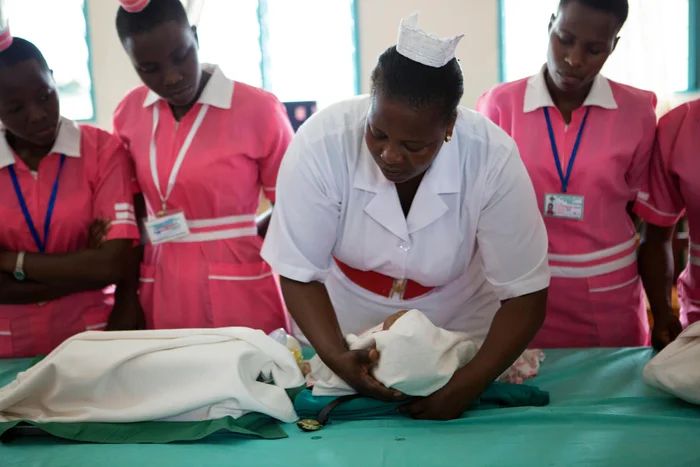
Medical internship is a mandatory one-year supervised training programme undertaken by graduates of medicine, pharmacy, dentistry and other health professions before full professional registration. During this period, interns are deployed in hospitals nationwide where they provide clinical services under supervision.
According to figures cited by PPAU from the Ministry of Health, Uganda currently spends approximately Shs35.7 billion annually on medical interns and Senior House Officers (SHOs), supporting about 2,329 healthcare trainees deployed across public health facilities.
The association noted that each intern receives about Shs1 million per month as an allowance, alongside additional funds covering statutory obligations and administrative costs.
While acknowledging the figure may appear substantial, PPAU argued that it represents a small share of government spending while supporting a workforce that delivers essential healthcare services to millions of Ugandans.
“Interns routinely work long shifts, manage emergency cases, support maternal and child health services, assist in surgeries, dispense medications, and contribute significantly to patient care in often understaffed facilities,” the statement read.
The association further cited Ministry of Health projections indicating that more than 2,700 eligible interns require deployment in a given cycle, estimating that full support for all eligible trainees would cost about Shs54 billion annually.
PPAU said the benefits outweigh the costs, noting that internship training ensures a continuous pipeline of licensed doctors, pharmacists, dentists and specialists for the country’s health system.
The association also highlighted the financial pressures faced by interns, many of whom are deployed far from home and must cover accommodation, transport, meals and professional costs during training.
“The internship allowance helps sustain these young professionals during one of the most demanding periods of their careers. Without adequate support, many may face significant financial hardship despite contributing full-time clinical services,” it said.
PPAU warned that reducing support could discourage graduates from joining or remaining in the health sector at a time when Uganda continues to face shortages of skilled workers, especially in rural areas.
It argued that internship funding should be viewed as investment in national health security and human capital development.
“Every doctor, pharmacist, dentist, and specialist who completes internship strengthens Uganda’s capacity to diagnose diseases, manage emergencies, improve maternal and child health outcomes, and respond to future public health challenges,” the statement read.
The association further placed the programme within broader fiscal context, noting that Uganda’s national budget for the 2026/27 financial year stands at about Shs84.3 trillion.
On that basis, it said internship funding accounts for less than 0.07 percent of total government expenditure.
“In other words, for every Shs1,000 spent by government, less than Shs1 goes toward supporting medical interns,” PPAU stated.
The association contrasted this with spending on executive and legislative operations, arguing that the internship programme delivers direct service value to citizens in return for comparatively modest funding.
“Unlike many other public expenditures, internship funding directly translates into healthcare delivery. Every shilling invested contributes to patient care while simultaneously training the next generation of health professionals,” it said.
The statement comes amid growing debate following government confirmation that medical intern allowances will be scrapped as part of efforts to manage the increasing number of graduates from health training institutions.
Speaking to journalists at Parliament, Health Minister-designate Dr. Chris Baryomunsi said the policy shift is intended to ensure all qualifying graduates proceed to internship despite budget constraints.
However, PPAU maintains that while expanding internship opportunities is necessary, removing financial support risks placing undue strain on young professionals and weakening Uganda’s healthcare workforce pipeline.
“A country that invests in its health professionals invests in its own future,” the association concluded.