
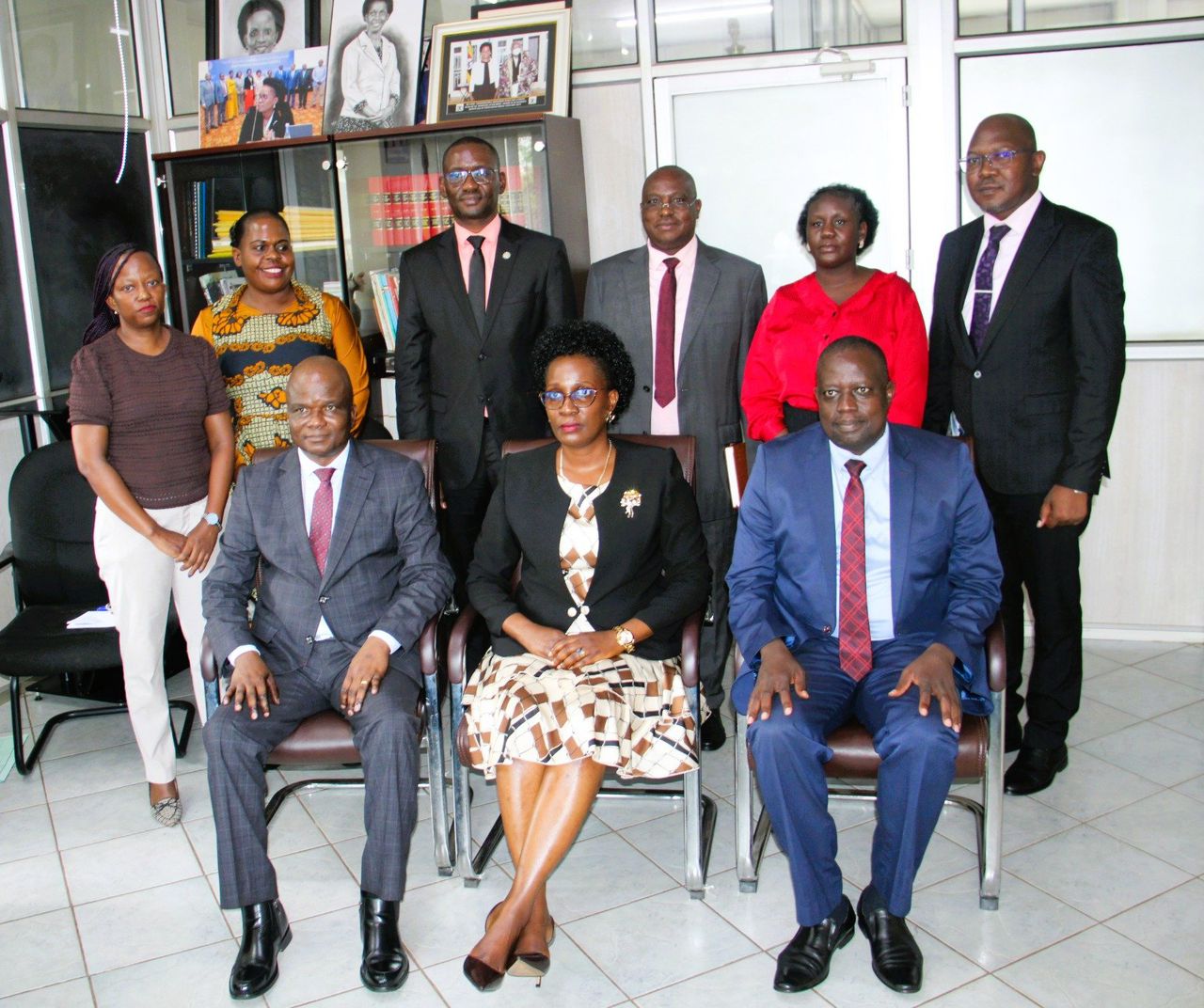
Deputy Inspector General of Government Anne Twinomugisha Muhairwe has warned that gaps in integrity, coupled with stigma and misinformation, are undermining Uganda’s HIV/Aids response and could reverse gains if not urgently addressed.
Speaking during a meeting with Uganda Aids Commission Director General Nelson Musoba, Twinomugisha said ethical conduct must be central to both public systems and individual behaviour in the fight against HIV.
“Integrity plays a quiet but decisive role in the fight against HIV/Aids because the response depends heavily on trust, accurate information, and fair use of resources. When integrity is present, programs work as intended,” she said.
She warned that failure to uphold personal responsibility could accelerate new infections, stressing the importance of honesty in prevention efforts.
“In other words it also means not knowingly putting others at risk. Without this kind of personal honesty, prevention efforts break down quickly and the HIV scourge will increase. So integrity is one of the important values which can be used to reduce this scourge,” she added.
Twinomugisha also raised concern over misleading public health messaging, cautioning that campaigns driven by stigma, myths, or political convenience weaken the national response and erode public trust.
She further criticised service delivery practices that may inadvertently expose patients, warning against designated antiretroviral therapy (ART) clinic days.
Such arrangements, she said, risk increasing stigma and could discourage people from seeking or continuing treatment.
On prevention among young people, she urged the Commission to strengthen school-based awareness programmes using real-life experiences and evidence-based approaches to influence behaviour change.
Musoba acknowledged progress in Uganda’s HIV response, noting that prevalence has declined from about 18% in the 1980s to around 4.9% in recent years.
However, he warned that infection rates among young people remain high and require targeted interventions.
“We want to commend President Museveni for his visionary leadership because he has greatly supported initiatives and partnerships intended to fight HIV/Aids,” Musoba said.
He added that the Commission is developing a national sexuality education framework aimed at equipping young people with knowledge to reduce their vulnerability to HIV infection.
Twinomugisha reaffirmed the Inspectorate of Government’s commitment to tackling corruption in public health programmes, noting that recovered resources could be redirected to strengthen HIV prevention, treatment, and care services.
