

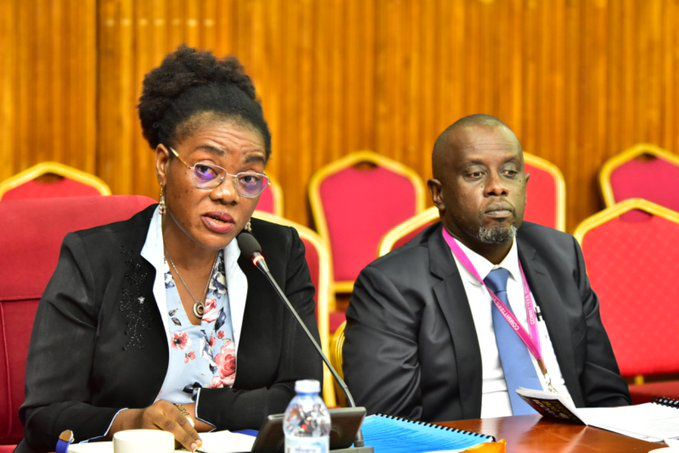
Mental health cases in Uganda have surged by 71% over the past four years, with children and adolescents disproportionately affected, according to the Executive Director of Butabika National Referral Hospital, Dr. Juliet Nakku.
Nakku made the disclosure on Monday while appearing before the Public Accounts Committee (PAC) of Parliament to respond to findings in the 2025 Auditor General’s report. She noted that nearly a quarter of the new mental health cases involve children and adolescents.
“Countrywide, mental health cases have gone up by 70% since 2021-22. Young people and children account for almost 24% of these cases, which is significant,” she said.
The alarming trend has raised concerns among lawmakers about the underlying causes, including societal pressures, poverty, and the impact of the COVID-19 pandemic on young people’s mental well-being.
Mawokota South MP, Gorreth Namugga, expressed alarm at the rising rates.
“These escalating levels of mental illness in children, 22.9%, is simply too high. What are the causes in children, and how do you advise us as parents? What should we do?” she asked.
Namugga also raised concerns about staffing shortages, linking them to the rise in mental health challenges:
“If a doctor who is supposed to operate on 30 patients is attending to 100, and a nurse meant to care for 10 patients is attending 50 to 60, don’t you think this overworking is contributing to mental illness in this country?”
Nakku emphasized that while Butabika Hospital has made improvements in staffing—growing from 533 to 833 staff over two years—the facility remains overstretched. She explained that there are now 14 psychiatrists serving a population of 1,000, far below the recommended ratio of one doctor per 30 patients. Nursing staff are also overextended, with one nurse currently attending to 50–60 patients, instead of the recommended 10–15.
“Our official bed capacity is 550, but we frequently accommodate between 1,000 and 1,400 patients. This 230% occupancy rate creates severe challenges in delivering quality care,” she said.
The hospital’s budget for medicines has risen from Shs 2 billion to Shs 3.5 billion, butNakku said resources are still insufficient to cope with the increasing patient load. She also pointed to underfunded hospital maintenance, which exacerbates operational difficulties.
Nakku urged a nationwide approach to mental health, emphasizing the need for expanded services at regional and community levels to detect and treat cases early, particularly among children.
“Children and adolescents are vulnerable, and unless we address staffing shortages, infrastructure gaps, and limited resources, the situation will worsen,” she said.
Health experts have repeatedly highlighted that inadequate funding—currently less than one percent of Uganda’s health budget goes to mental health—limits the country’s ability to provide comprehensive care.
The growing crisis at Butabika Hospital underscores the urgent need for increased investment in mental health services to protect Uganda’s most vulnerable populations.