

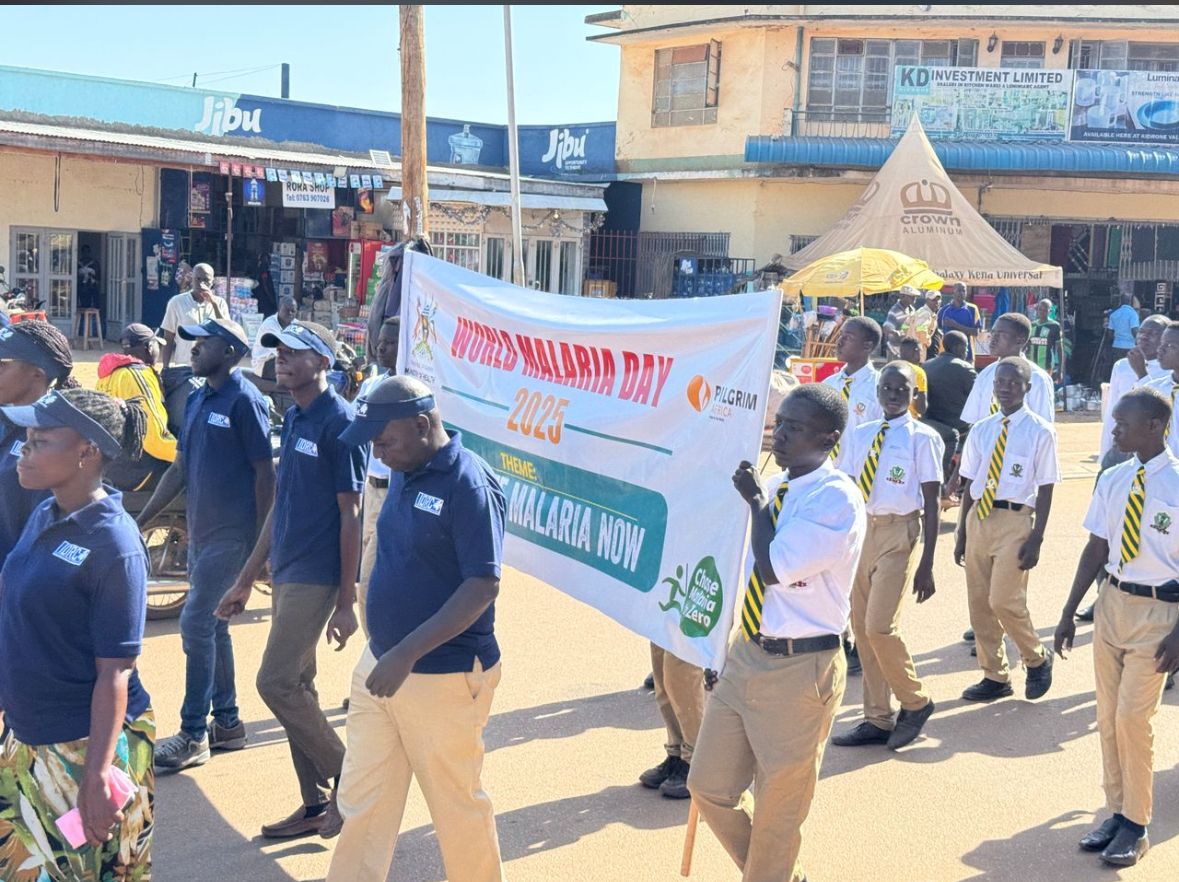
As Uganda joins the global community in commemorating World Malaria Day 2025 under the theme “Eliminate Malaria Now: Reinvest, Reimagine, Reignite,” stakeholders are amplifying calls for increased domestic funding to sustain the gains made in the fight against malaria and accelerate elimination by 2030.
Despite significant progress, including an 80% drop in parasite prevalence since 2009 and the landmark rollout of the malaria vaccine in 107 districts, Uganda remains the 3rd highest contributor to global malaria cases. The urgency for localized investment is underscored by the fact that malaria is responsible for 16 daily deaths, 10 of whom are children under five, and consumes 30-50% of outpatient visits.
The Funding Gap: A Call for Ugandan Ownership
While international partners like USAID’s President’s Malaria Initiative (PMI) and the Global Fund have been instrumental in supporting vector control, testing, and treatment, recent disruptions such as U.S. funding cuts have exposed vulnerabilities in supply chains.
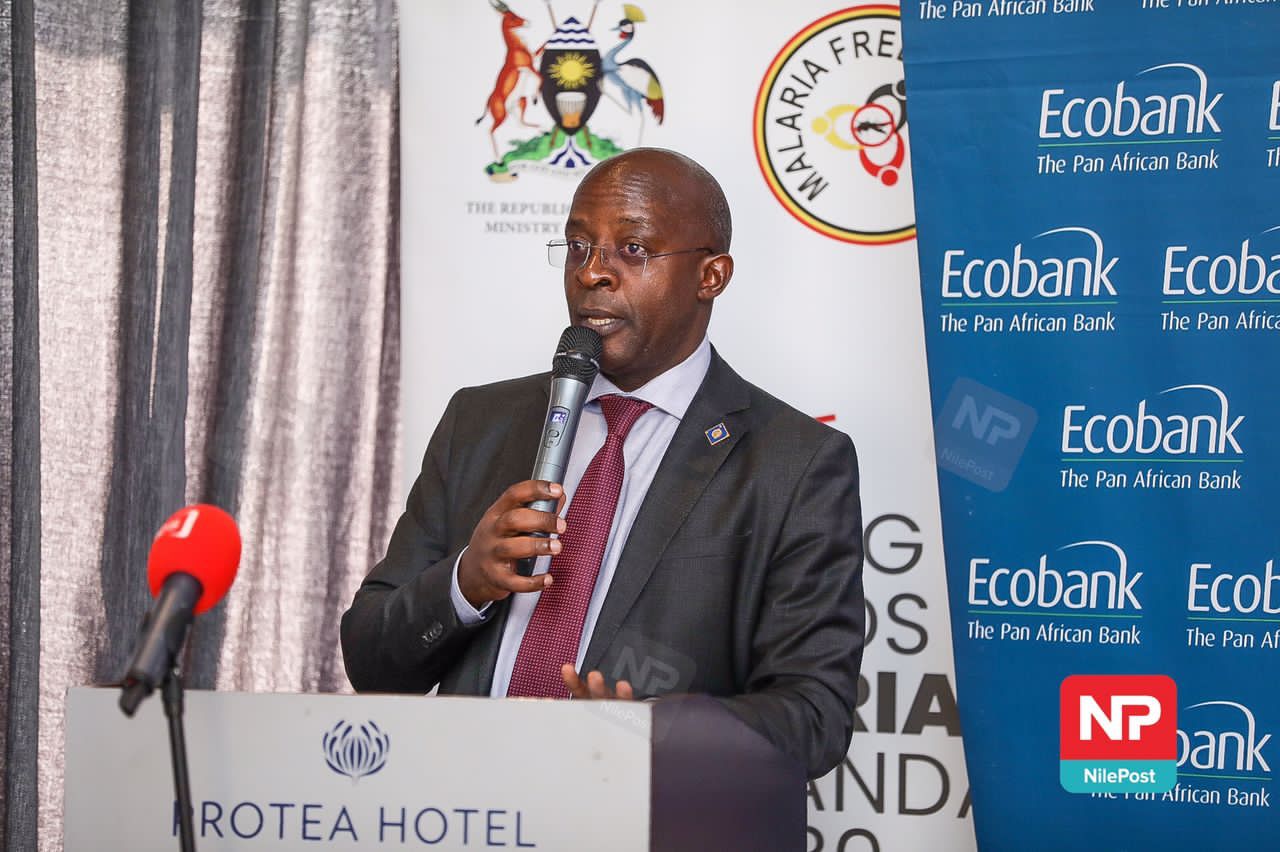
Dr. Bildard Baguma, MFU Board Member and Executive Director of Joint Medical Stores, emphasized, “Uganda’s reliance on external funding is unsustainable. The current gaps in commodity supplies—from bed nets to diagnostics—demand immediate action. We must mobilize domestic resources from both government and the private sector to safeguard our progress. Malaria is not just a health crisis; it’s an economic burden costing households a significant amount of their income annually. Local investment is a lifeline.”
MFU’s Appeal: Private Sector and Public Commitment
The Malaria Free Uganda (MFU) Board is urging businesses and policymakers to:
- Increase domestic allocations for malaria programs in national and district budgets.
- Leverage private-sector partnerships to fund innovations like next-generation bed nets and community-led campaigns.
- Replicate collaborative models, such as Next Media’s partnership with MFU and the Ministry of Health, to amplify advocacy and resource mobilization.
“Eliminating malaria requires a whole-of-society approach,” said Dr. Jane Ruth Aceng, Uganda’s Minister of Health. “Our ‘24/2 Hours Initiative’ and vaccine integration in Karamoja show what’s possible. But sustainability hinges on Ugandans owning this fight.”
Karamoja’s Blueprint: A National Model
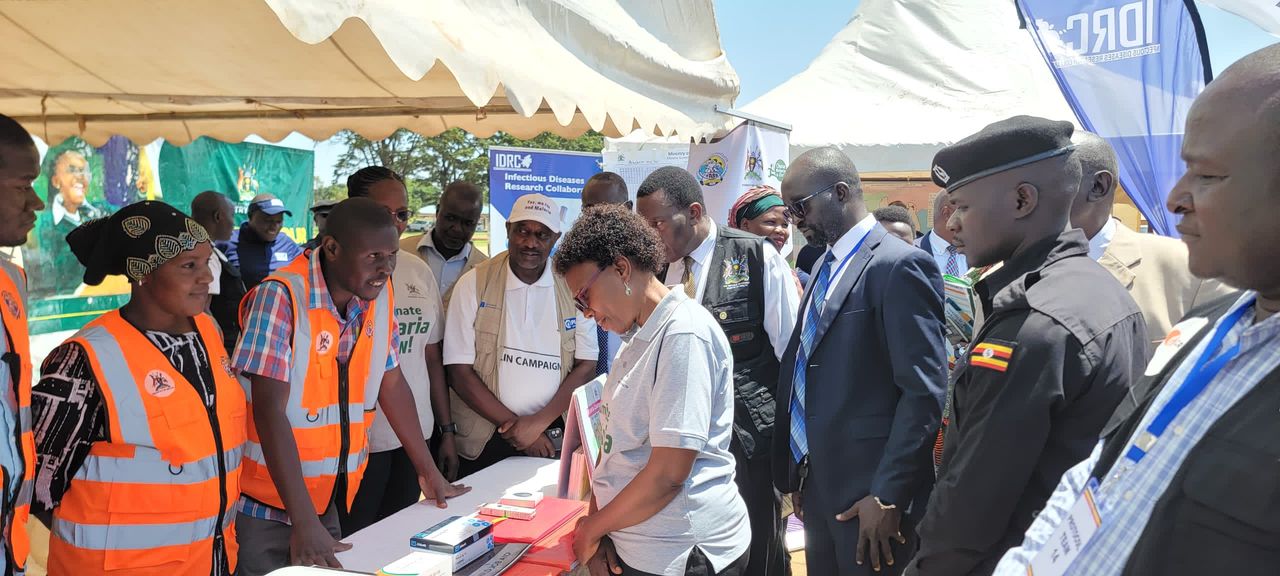
Uganda’s groundbreaking integration of the malaria vaccine with Seasonal Malaria Chemoprevention (SMC) in Karamoja—a region now seeing a 31% drop in cases—demonstrates the power of innovation and local leadership. The Karamoja Region Malaria Vaccine Advocacy Declaration, signed by district leaders, underscores the role of community engagement and decentralized action.
Reinvest, Reimagine, Reignite
Aligned with the WHO’s global messaging, Uganda’s strategy hinges on:
- REINVEST: Prioritizing funding for proven tools like vaccines, bed nets, and data-driven hotspots mapping.
- REIMAGINE: Scaling innovations such as dual malaria vaccine/SMC programs and next-gen diagnostics.
- REIGNITE: Mobilizing grassroots action through cultural leaders, VHTs, and parliamentarians.