

Uganda remains one of the countries hardest hit by malaria, a disease that has long devastated families and communities.
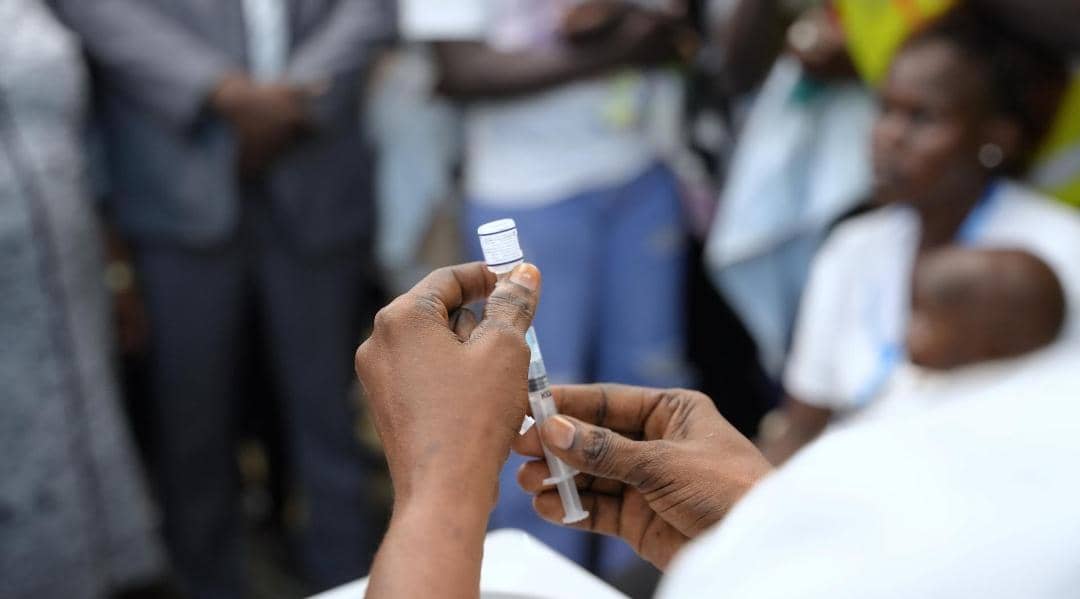
The introduction of a malaria vaccine marks a turning point in this battle, offering a proven, safe, and effective solution that prevents hospitalizations and saves lives.
However, sustaining these efforts requires continuous financial support. Without it, millions of children will remain vulnerable, jeopardizing the progress achieved so far.
Ongoing funding is essential to expanding vaccination efforts, ensuring more children are protected, and extending these benefits to other regions.
As a key partner in the fight against malaria, UNICEF has reinforced its commitment to child health and immunization in Uganda. The organization plays a vital role in procuring and transporting vaccines while raising awareness to increase demand.
“UNICEF is proud to support Uganda’s historic malaria vaccine rollout, a milestone in our collective mission to shield children from this deadly disease. The vaccine must be combined with existing preventive measures, forming a powerful defense against malaria. We urge all parents and caregivers to ensure their children receive all four doses as part of Uganda’s routine immunization services,” said Dr. Robin Nandy, UNICEF Representative to Uganda.
Hon Dr Jane Ruth Aceng Ocero, Uganda’s Minister of Health, emphasized the vaccine's potential to save countless lives.
" The introduction of the vaccine marks a significant milestone in our fight against Malaria. It is expected to prevent at least 800 cases of severe Malaria among children every day and ease the financial burden on families, saving them approximately Shs15,000 per case that would have been spent on treating severe Malaria," she stated, urging parents and caregivers to bring their children for vaccination as part of routine immunization services and free of charge.
To prepare for the nationwide campaign, the Ministry of Health, in collaboration with partners, has distributed 2.278 million malaria vaccine doses across 105 districts with high and moderate transmission rates. Intensive community engagement has been at the heart of these efforts, with mobilization campaigns involving Members of Parliament, cultural and religious leaders, and door-to-door outreach initiatives.
Additionally, health workers have undergone specialized training, and cold chain infrastructure has been strengthened to ensure safe vaccine storage and distribution.
The World Health Organization (WHO) has been instrumental in the global validation of the malaria vaccine. A pilot program in Kenya, Ghana, and Malawi, co-funded by Gavi and other partners, demonstrated that integrating the vaccine into routine immunization reduced overall child mortality by 13%.
This success led to WHO’s recommendation and prequalification of two safe and effective malaria vaccines now available. WHO continues to support countries by providing technical guidance, sharing best practices, and ensuring smooth implementation.
“Today marks a historic turning point in Uganda’s fight against malaria. By integrating the malaria vaccine into routine immunization, Uganda is making a bold move to protect its children, save lives, and build a healthier future. This vaccine is a game-changer, and we must work together to ensure every child receives it,” said Dr. Kasonde Mwinga, WHO Representative to Uganda.
With a strong coalition of partners and unwavering commitment, Uganda’s fight against malaria has entered a new era one where fewer children suffer, and the nation moves closer to a malaria-free future.