

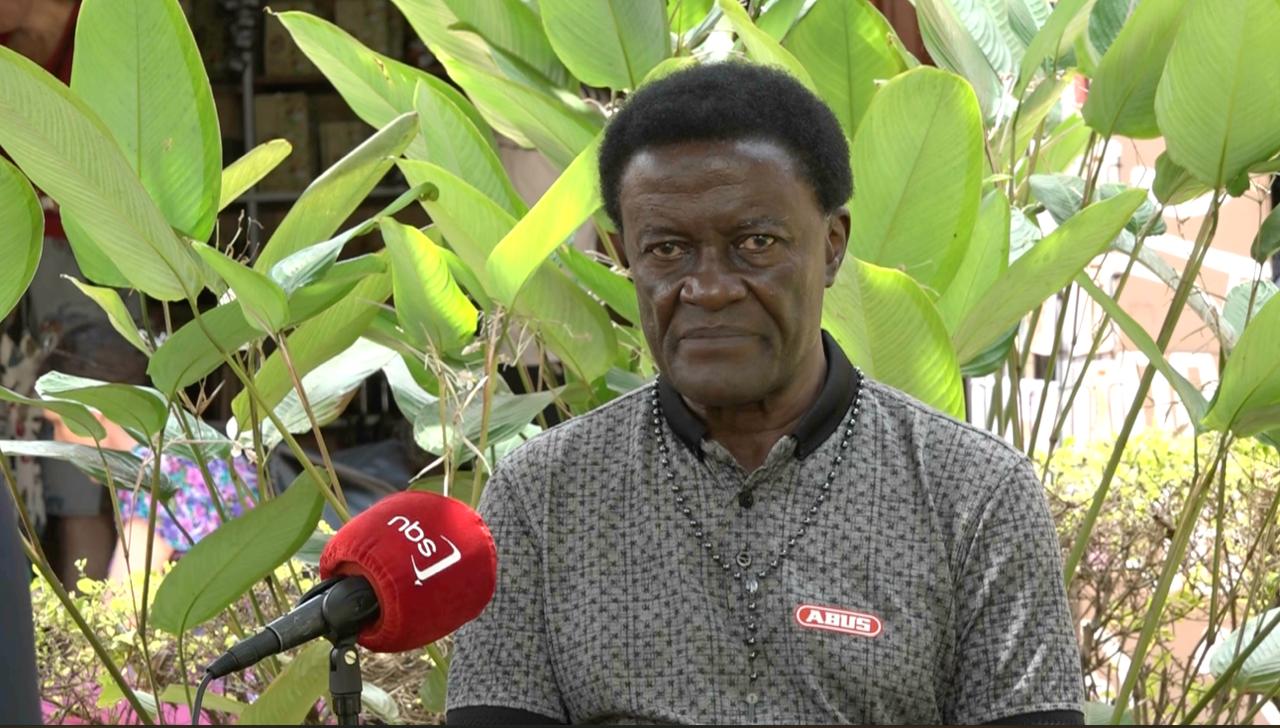
As Kenya, East Africa, and the continent mourn the passing of Raila Amolo Odinga — one of Africa’s most resilient opposition figures — some who crossed paths with him during his years in exile still recall the tense moments of 1991, when he fled his homeland fearing for his life.
Among those with vivid memories is Steven Ziwa, now 70, who worked with NOVA Chemicals in Kampala in the early 1990s.
It was through that job, he says, that he unexpectedly met Odinga as he sought refuge in Uganda.
“My bosses had connections with Raila through business,” Ziwa recounts. “One afternoon, three people walked into my office on Nkrumah Road. Because I used to read a lot of newspapers and followed events in Kenya, when I saw the three, I immediately knew it was him.”
Odinga had been in detention for six years following a failed 1982 coup attempt against President Daniel arap Moi’s government, accused of links to the Kenya Air Force officers who attempted the coup.
Upon his release in 1988, harassment by the Moi regime continued, and by 1991, the situation had grown intolerable for him and other pro-democracy activists pushing for multiparty reforms.
“He asked me where Shem was,” Ziwa recalls. “I told him to have a seat as I called the bosses. We spent time with him, especially in the offices. No one knew he was here.”
Ziwa says he and his bosses helped hide Odinga “in plain sight” for nearly a month, ensuring that his presence in Kampala went unnoticed by the authorities.
“I even bought him a cap in case someone recognized him when we were out in town,” he adds with a faint smile.
Odinga would later secure a visa and travel documents that allowed him to flee to Norway, where he stayed in exile until 1992 — returning to Kenya after the reintroduction of multiparty politics.
“I am sad I never got to meet him again,” says Ziwa, his voice heavy with emotion. “I am sad he has passed on.”
Raila Amolo Odinga, who died on Wednesday, was a towering figure in Kenyan politics — a former Prime Minister, long-time opposition leader, and one of the architects of the country’s multi-party democracy.
Born in 1945, Odinga was the son of Kenya’s first Vice President, Jaramogi Oginga Odinga, and spent more than four decades in active politics, often challenging entrenched power structures and advocating for constitutional reform.
His state funeral, attended by thousands of mourners and dignitaries from across Africa, was held at Nyayo National Stadium in Nairobi before his body was transported to Bondo, Siaya County, for final rites.
The burial will take place on Sunday, October 19, 2025, at his ancestral home in Bondo, marking the close of a chapter in Kenya’s long struggle for democracy and justice.