
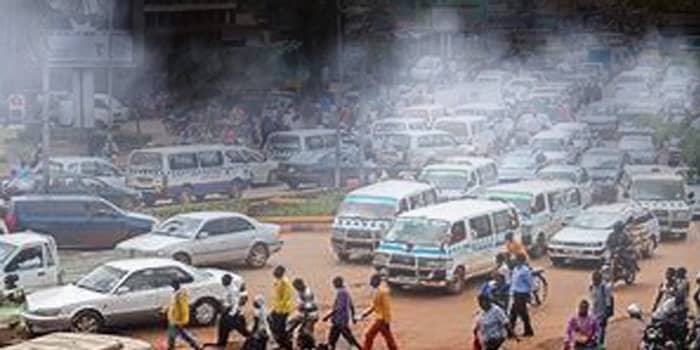
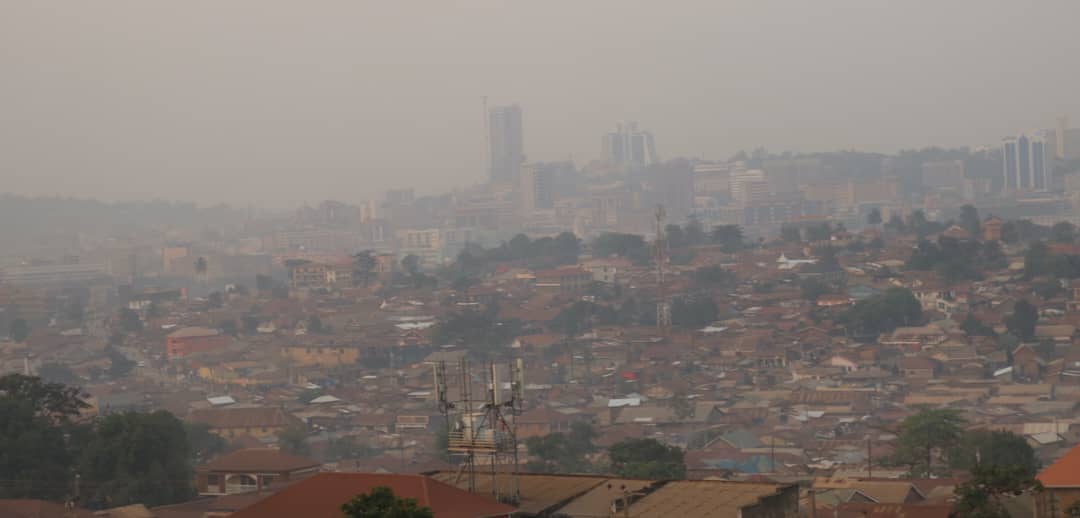
Air pollution is a silent assassin, creeping into homes and lungs unnoticed, yet leaving destruction in its wake. The skies above Kampala wear a choking gray veil, smothering the city’s breath with each passing day.
It is as though the air itself has become a traitor, betraying the very life it is meant to sustain.
Air pollution has emerged as one of the leading causes of death globally, with Uganda facing an alarming rise in pollution-related health crises.
Dubbed the "silent killer," air pollution contributes to an estimated 31,600 deaths annually in the country, particularly in urban areas like Kampala, a foggy polluted city, where air quality has significantly declined due to rapid urbanization, outdated vehicles, and poor waste management.
Dr. Barirega Akankwasah, Executive Director of the National Environment Management Authority (NEMA), warns that air pollution remains one of the greatest health risks yet receives minimal attention.
“Air pollution causes respiratory diseases, strokes, and cancers. It is responsible for millions of deaths globally every year, yet investment in addressing it remains minimal,” he said.
A Health Crisis in Kampala
Kampala, Uganda’s bustling capital, is grappling with rising levels of air pollution. The World Air Quality Report ranked Kampala among the most polluted cities globally in 2021, ranking 28th globally among countries with the worst air quality with pollution levels five to seven times above World Health Organization (WHO) limits.
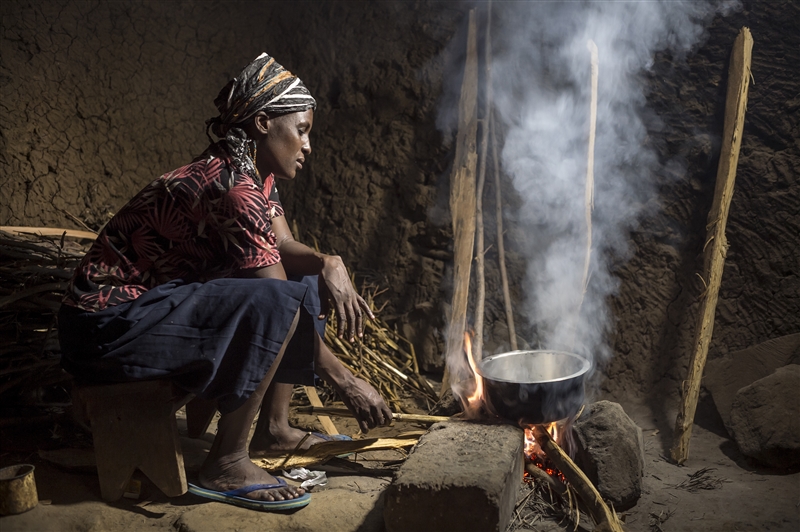
Families in Uganda’s urban slums are trapped in toxic traps, as smoke spirals into their homes from roaring stoves and relentless road traffic.
Data from Kampala Capital City Authority (KCCA) indicates that approximately 30% of patients at public health facilities suffer from respiratory issues linked to poor air quality, such as asthma, cancer, bronchitis, and lung infections. Olive Namazzi, KCCA’s Executive Secretary for Public Health, described air pollution as a "slow killer" that remains largely unrecognized by the public and policymakers.
“Nearly 20% of deaths in Kampala are attributed to air pollution, especially fine particulate matter (PM 2.5), and tropospheric ozone and their precursors, which penetrates deep into the lungs and crosses to the bloodstream, causing severe health complications,” Namazzi explained.
Transport is the dominant cause of air pollution and greenhouse emissions in major cities globally including Kampala.
Winstone Katushabe, the Commissioner, of Transport Regulation and Safety at the Ministry of Works and Transport says actionable strategies for reducing transportation-related emissions, improving air quality, and fostering a cleaner, safer, prosperous, and healthier urban environment for our cities must be laid.
"But as government, we need to make data-driven decisions and policies instead of relying on guesswork. This involves integrating technology platforms to collect data on air quality and emission levels. By investing in long-term infrastructure solutions, a sustainable, greener mobility system can be achieved," he said.
Kampala’s polluted air has significantly increased the disease burden at the Lung Institute in Mulago, with 31,000 deaths from lung-related illnesses recorded annually, according to Dr. Rebecca Nantanda, a pediatrician at the Uganda Lung Institute.
Children, pregnant mothers, individuals with pre-existing health conditions, and those with underlying lung diseases are at the highest risk, especially those living in urban areas. The Institute’s research advises the public to consider lung screenings, highlighting the critical need for awareness and intervention.
Open Burning and Vehicle Emissions
Open burning of waste and emissions from aging vehicles are major contributors to air pollution in Uganda.
Uganda has approximately 2.7 million registered vehicles, including cars, trucks, and motorcycles.
Many of these vehicles are over 15 years old, contributing significantly to air pollution due to their inefficient engines and lack of modern emission control technologies.
Despite government regulations prohibiting the importation of vehicles older than 15 years, the enforcement of this policy remains weak, with many old, inefficient vehicles still on the roads.
Professor Lynn Atuyambe, an Associate Professor at Makerere University’s School of Public Health, highlighted the role of urbanization in exacerbating the crisis.
“With more vehicles, unpaved roads, and overcrowding, pollution levels are rising. The lack of enforcement of emission regulations is worsening the situation,” he noted.
AirQO, a platform monitoring air quality, revealed that second-hand vehicles in Uganda are a significant source of carbon emissions. Professor Engineer Bainomugisha, AirQO’s team leader, emphasized the need for comprehensive data to tackle the issue effectively.
“We need accurate data on vehicle emissions and strict enforcement of regulations to address this crisis,” he said.
A Struggle with Firewood
In Hamukungu village, Kasese District, a 49-year-old mother of four, Janet Mbabazi, shares how her life has been turned upside down by air pollution from firewood. For over 20 years, Mbabazi ran a small roadside restaurant, cooking meals on firewood.
The dense smoke became part of her daily routine, until two years ago when persistent chest pain, heart complications, and shortness of breath sent her to Mbarara hospital.
Doctors diagnosed her with chronic obstructive pulmonary disease (COPD), a condition linked to prolonged exposure to smoke.
"They told me the firewood was killing me slowly. I had to stop, but how can I? I have been cooking with firewood all my life, and it's what has fed my children," Mbabazi sorrowfully told the Nilepost.
Unable to continue with her restaurant business, Mbabazi now struggles to make ends meet. "I had no idea the smoke I worked in every day was this dangerous. It took my livelihood and my health," she added, her voice filled with despair.
Global and Household Impact
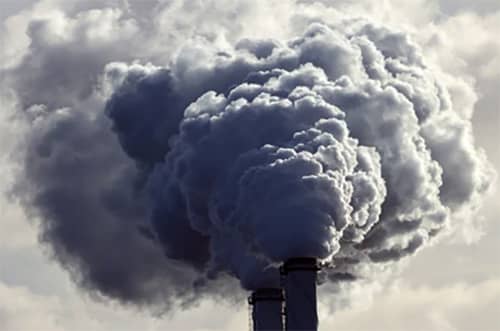
Globally, 99% of people breathe (polluted air) air that exceeds WHO guidelines, and air pollution is linked to over 8 million premature deaths annually while also driving climate change.
About 2.3 billion people, or one-third of the global population, cook with open fires fueled by charcoal, biomass, and kerosene.
These methods generate harmful indoor air pollution, contributing to more than 50% of the black carbon emissions produced by humans.
Hence, the health impact of air pollution results in significant economic costs to national output. For the top 15 greenhouse gas emitting countries, this cost is estimated to be 4% of their GDP.
In 2020, household air pollution was responsible for approximately 3.2 million deaths, including over 237,000 deaths of children under the age of five. Household air pollution has been identified as one of the world's greatest public health threats.
Calls for Sustainable Solutions
Experts have called for a shift to sustainable practices, including the adoption of electric vehicles, improved waste management, and better urban planning.
However, the transition faces challenges due to the high costs of electric vehicles and the limited infrastructure to support their use.
Dr. Akankwasah urged the public to play an active role in mitigating air pollution by avoiding open burning and embracing environmentally friendly practices. “We must collectively preserve our environment to protect public health,” he stated.
KCCA, in collaboration with international partners, has introduced initiatives such as tree-planting campaigns, air quality monitoring units, and the drafting of an air quality ordinance.
These efforts aim to create a regulatory framework for reducing pollution and improving air quality.
However, Namazzi stressed that sustained financial support from the government is critical. “Without adequate funding, our efforts to address air pollution will remain limited,” she said.
Amid these challenges, the rise of electric motorbikes offers a promising solution to Kampala’s environmental crisis.
These eco-friendly vehicles, powered by rechargeable batteries instead of petrol, eliminate nearly 100% of greenhouse gas emissions, providing a cleaner and quieter alternative.
Electric bikes produce zero tailpipe emissions, which is crucial in cities like Kampala, where poor air quality is linked to respiratory diseases. This transition is vital for both public health and environmental sustainability,” said Victor Getenya, Head of Electric Vehicles at Watu Uganda.
The Bigger Picture
Air pollution may be silent, but its effects are deafeningly loud in Uganda’s overburdened health sector. Globally, air pollution accounts for 6.7 million premature deaths annually, nearly rivaling the fatalities caused by the COVID-19 pandemic. Despite its devastating impact, air pollution does not receive the same level of attention or investment.
“Air pollution is not just an environmental issue; it’s a public health crisis. We must take bold steps to save lives,” Dr. Akankwasah told the Nilepost.
Uganda’s fight against air pollution requires collaboration across multiple sectors. Beyond policy enforcement, there is a need for widespread public education campaigns to raise awareness of air pollution’s dangers and solutions.
The private sector can also play a role by investing in clean energy alternatives, while individuals are encouraged to adopt simple but impactful actions such as planting trees, carpooling, and reducing waste burning.
The smog does not make noise nor issue warnings, the connection between air pollution and people's health is invisible but it poisons families, and steals lives.
Families are losing loved ones to unexplained health conditions that could be traced back to polluted air. In rural areas, the problem is compounded by the use of biomass fuels such as firewood and charcoal for cooking, which release harmful smoke.
Women and children, who spend the most time indoors, are disproportionately affected, suffering from chronic respiratory diseases.
Each breath taken in Kampala feels like a step closer to the grave, a bitter inhalation of disease and despair, cutting, tearing, and leaving irreparable damage deep within.
The silent killer (air pollution) is creeping into people's lungs, homes, and lives, claiming millions worldwide.
