
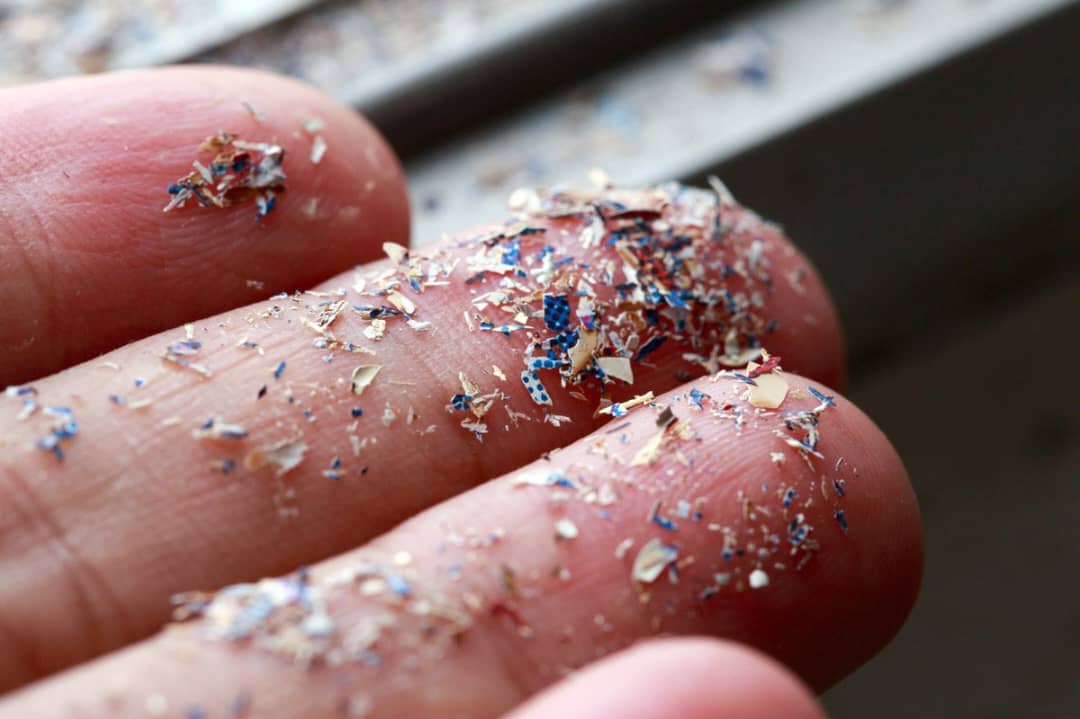
Microplastics—plastic particles smaller than 5 millimeters—are increasingly recognized as both an environmental and public health challenge.
Formed by the breakdown of larger plastics or directly introduced via products like microbeads in cosmetics, these particles are pervasive, infiltrating oceans, rivers, and even the air we breathe.
While their environmental impact is well-documented, growing evidence suggests microplastics pose significant risks to human health, warranting urgent attention and action.
Microplastics are everywhere. They can be found in household dust, fabrics, cosmetics, cleaning products, and even rain. Food sources, such as seafood, produce, and table salt, also harbor these particles, making exposure nearly unavoidable.
Studies have detected microplastics throughout the human body, including in the blood, liver, kidneys, and even the placenta.
The smallest microplastics, known as nanoplastics, can penetrate cell membranes and enter the nuclei, raising alarms about their potential effects on cellular function and genetic material.
Microplastics in Uganda and Africa
In Uganda and across Africa, microplastic pollution is exacerbated by rising plastic consumption, poor waste management, and limited awareness. Much of the plastic waste ends up in water bodies, including Lake Victoria, where microplastics disrupt ecosystems, alter food chains, and expose aquatic life to harmful chemicals. Fish and shellfish, mistaking microplastics for food, accumulate these particles in their bodies, ultimately transferring them to humans who consume them.
Agriculture is another sector at risk. Microplastics in soil can reduce fertility and crop yields by interfering with soil microorganisms. Contaminated water sources used for irrigation further spread microplastics, endangering food security.
Human Health Implications
While research on the health effects of microplastics is still developing, initial findings are concerning. Microplastics enter the human body through ingestion, inhalation, and skin contact.
Once inside, they can cause inflammation, disrupt gut health, and expose individuals to toxic chemicals like bisphenol A (BPA) and phthalates, linked to hormonal imbalances, reproductive problems, and metabolic disorders.
Medical professionals warn that microplastics may contribute to chromosomal changes, increasing the risk of cancers such as breast, lung, and prostate cancer.
They also interfere with the gut's bacterial balance, leading to bloating and abdominal discomfort, and have been linked to low male fertility.
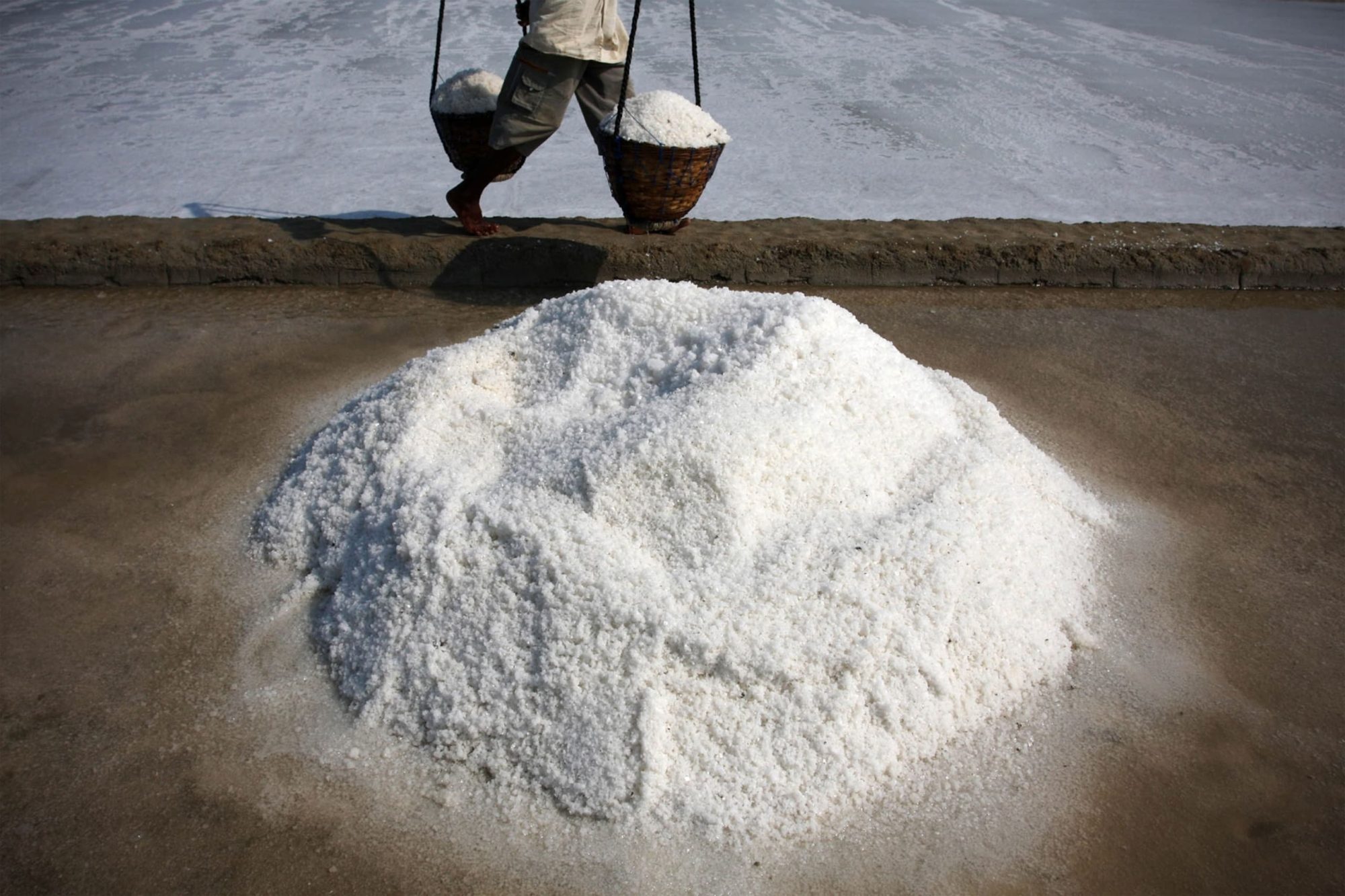
Microplastics have even been detected in drinking water, bottled beverages, and common condiments like table salt. A 2023 study estimated that an average adult consumes around 2,000 microplastic particles annually through salt alone.
Populations in Uganda, with limited access to safe drinking water, are particularly vulnerable to these exposures.
Environmental and Policy Responses
Tackling the microplastic crisis requires coordinated efforts from governments, industries, and communities. Uganda’s partial ban on plastic bags is a positive step but demands stronger enforcement and expansion to include other plastic products. Public education campaigns highlighting the dangers of microplastics and promoting alternatives like biodegradable packaging and reusable bags are critical.
Innovative solutions, such as turning plastic waste into construction materials, can help reduce environmental plastic loads. Rodney Akongel Mukula, founder of Asante Waste Management Limited in Uganda, advocates for stricter regulations on plastic production and disposal, alongside investments in recycling infrastructure and research.
The Need for Action
Microplastics represent an urgent and growing threat to both ecosystems and human health. With limited data on their long-term impacts, especially in developing regions like Uganda, more research is essential to quantify exposures and identify effective interventions. Strengthening waste management systems, promoting sustainable consumption, and enforcing regulations will be key to mitigating the dangers posed by microplastics.
As microplastic pollution continues to escalate, addressing its root causes and implementing innovative solutions will be vital to safeguarding environmental and public health in Uganda and beyond.
