
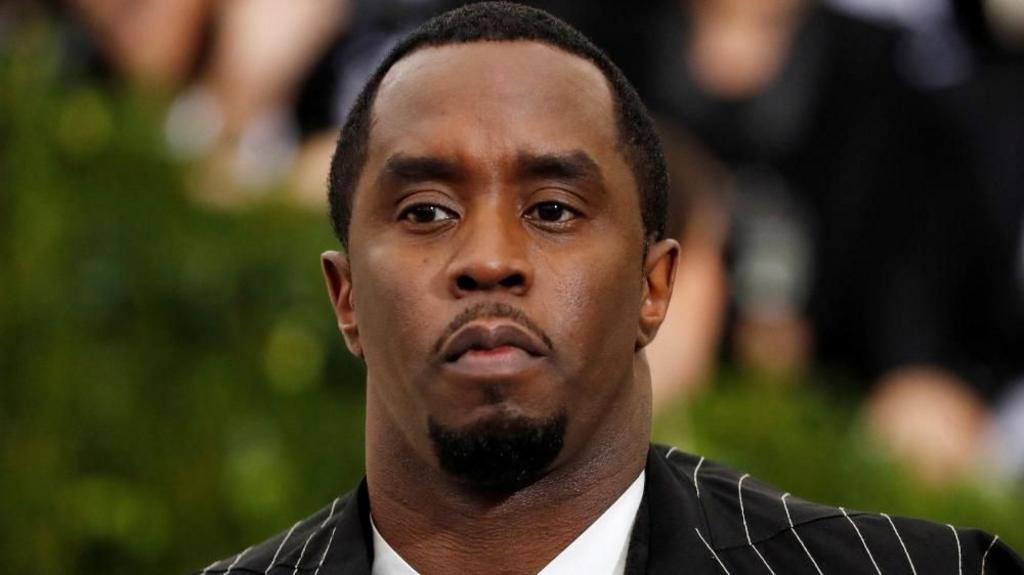
Rap mogul Sean “Diddy” Combs appeared in a New York court on Friday for sentencing after being convicted on two counts of transportation for prostitution under the Mann Act, a century-old law targeting trafficking and exploitation.
The high-profile case has pitted prosecutors seeking more than a decade behind bars against defence lawyers urging leniency.
Judge Arun Subramanian said sentencing guidelines recommend a term of 70 to 87 months—about six to seven years—offering the clearest sign yet of what Combs’ prison time could look like.
The prosecution is pressing for 135 months, just over 11 years, while Combs’ legal team has requested 14 months.
He has already served just over a year in jail, which will be deducted from his final sentence.
Prosecutor Christy Slavik told the court the case was about “real victims who suffered real harm,” rejecting the defence’s portrayal of Combs’ conduct as part of a “sex, drugs and rock and roll lifestyle.”
She cited the testimony of singer Cassie Ventura and another woman known as Jane Doe, both of whom described domestic violence and abuse.
“He didn’t need the money, his currency was control,” Slavik said, urging the judge to impose a harsher sentence.
One victim opted not to speak in court after what prosecutors described as a “bullying” letter from the defence.
Another woman, Virginia Huynh, identified in the indictment as “Victim-3,” wrote to the judge saying she had never been trafficked or forced into prostitution, and claimed prosecutors pressured her to frame herself as a victim.
The defence countred that Combs was being unfairly compared to traffickers who profited from exploitation.
“Sean Combs is not a pimp,” attorney Jason Driscoll told the judge, arguing that the government was punishing his client more harshly because of his wealth and celebrity status.
Fellow lawyer Nicole Westmoreland grew emotional as she recounted Combs’ influence on Black entrepreneurs and artists, insisting he is “remorseful” and has “helped so many lives.”
Support letters presented to the court highlighted Combs’ work mentoring inmates through a programme called Free Game and his scheduled talks at community centres in Florida later this month.
Prosecutors called those plans “the height of hubris” in the face of his sentencing.
Combs is expected to address the judge before his punishment is handed down. His fate now rests on whether the court leans closer to the guidelines or to the tougher 11-year term prosecutors insist is necessary for accountability.
