
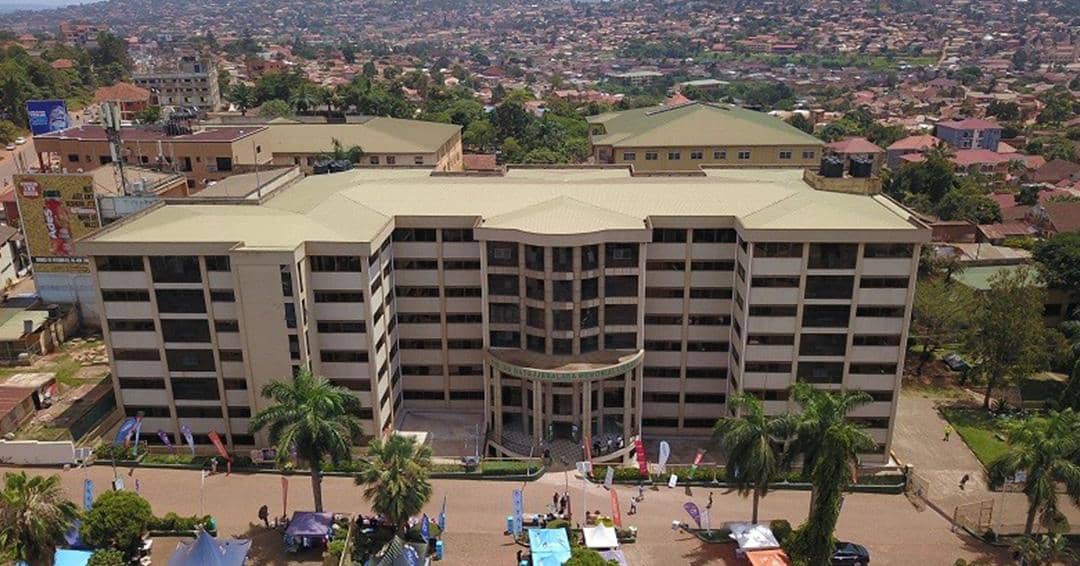
Kampala International University (KIU) has expanded its international academic footprint after staff and students participated in the Erasmus+ Exchange Programme at Ondokuz Mayıs University (OMÜ) in Türkiye.
The exchange, supported under the European Union's flagship Erasmus+ programme, is expected to deepen research collaboration, promote academic mobility and strengthen KIU's international competitiveness.
The programme brings together universities from Europe and partner countries to foster student and staff exchanges, collaborative research, curriculum development, innovation and institutional capacity building.
KIU said the partnership forms part of its broader strategy to internationalise its academic programmes and enhance its global visibility through stronger international collaborations.
Vice Chancellor Prof. Muhammed Ngoma, who is participating in the programme, described the exchange as an opportunity to build lasting academic relationships and learn from international best practices.
"It is a very fulfilling experience, full of networking, benchmarking, experience sharing and lots of lessons as far as higher education is concerned," Prof. Ngoma said.
He said the programme provides an important platform for universities to strengthen partnerships in teaching, research and institutional development.
"Internationalisation is no longer optional for universities that aspire to global relevance. Through Erasmus+, KIU is strengthening partnerships, sharing knowledge, expanding research networks and exposing our staff and students to the best international practices. These collaborations improve academic quality while increasing the University's global visibility and reputation," he added.
The development comes as KIU continues to strengthen its standing in international university rankings.
According to the July 2026 Webometrics Ranking of Universities, KIU remains Uganda's highest-ranked private university, is second overall nationally and ranks among Africa's top 50 universities, reflecting continued investment in research, innovation, international engagement and digital visibility.
Erasmus+ supports collaborative projects between higher education institutions rather than direct individual applications. Participating universities benefit from student and staff exchanges, faculty teaching opportunities, professional training, joint academic programmes and collaborative research initiatives.
One of the programme's major components, Capacity Building in Higher Education, has become increasingly important for African universities by supporting improvements in academic programmes, governance, digital learning, entrepreneurship and research infrastructure.
KIU said participation in the programme aligns with its long-term objective of producing globally competitive graduates while expanding international research partnerships and increasing opportunities for staff and student mobility.
The university expects its partnership with Ondokuz Mayıs University to create long-term benefits through joint research projects, academic collaborations, staff development and enhanced international visibility.
As higher education institutions increasingly compete on research output, innovation and global engagement, KIU said strategic international partnerships remain central to its efforts to improve academic excellence and sustainable institutional growth.
