
We now live in a country where national conversations about leadership no longer unfold openly, but in whispers and coded language.
The tone of that conversation changes depending on who you are—your age, your allegiance, or who signs your paycheck.
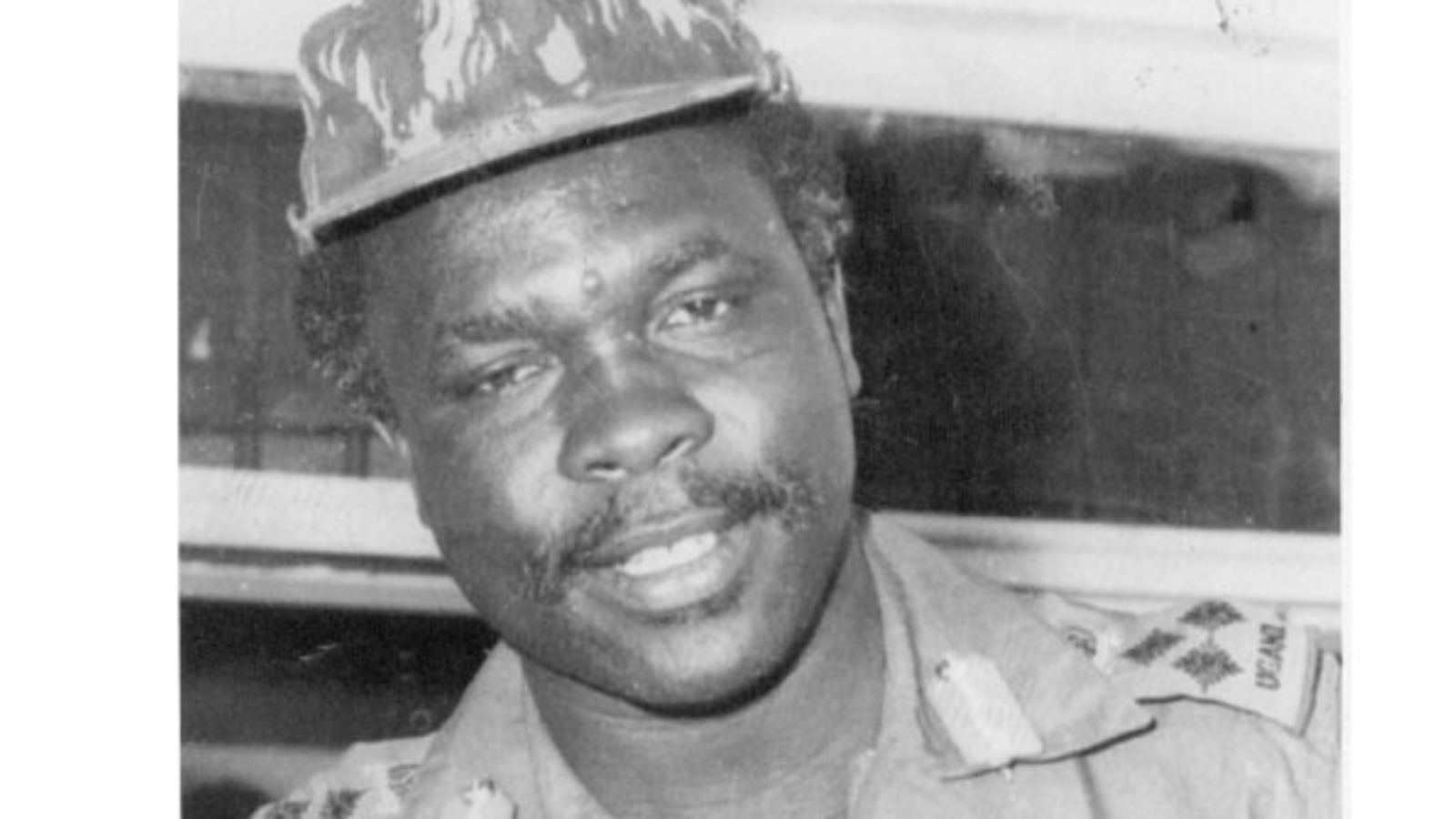
We’ve been here before. Those old enough will recall Oyite Ojok, Obote’s Chief of Staff, a military man whose mere presence inspired fear and awe. He carried himself with an air of power, the kind meant to communicate something only he understood.
I recall seeing him on TV and instinctively feeling fear. That image was not accidental—it was cultivated.
But what lingered most was not his power in life, but the silence at his funeral. At the cathedral, the verses read—particularly Isaiah 14:12—were deliberate. Bishop Misaeri Kauma chose them with precision.
The scripture pierced through the ceremony. It silenced the cathedral. The murmurs after the reading were louder than any speech that day. It was scripture speaking truth to power, even in death.
Leadership is about presence, yes—but also about perception. As a leader, you must ask yourself: how do people truly feel about your leadership and the power behind it? If the pulpits start preaching about your governance, perhaps it's time to reflect, not retaliate.
King David—military tactician, beloved ruler—was not immune to criticism. And when he erred, prophet Nathan called him out. David listened. He repented.
He understood the danger of becoming idolized beyond reproach. Because where people rely on you for their next opportunity, they may begin to worship you—and that’s dangerous.
We now have a debate about whether the Chief of Defence Forces tweets for himself or has a handler. That discussion is less about authorship and more about accountability.
In law, the Latin maxim “qui facit per alium, facit per se”—he who acts through another does the act himself—makes this clear. Whether it is the CDF or a handler, the tweets are his.
Of course, as the nation’s CDF, one may extend the benefit of doubt. Maybe it’s all part of a wider, strategic national security communication effort. And yet, in military ethics, we must also talk about collateral damage—how much civilian harm is tolerable for a military action to be deemed successful?
If a rebel hides in a nursery school, is bombing the school justified? Can we shrug off the babies killed as "collateral damage"? These are uncomfortable but necessary questions, especially when public communication—official or otherwise—starts to sound like warfare.
So, as the tweets keep coming—and they will—let the debate continue, whether publicly or in hushed tones.
But we must never forget the silence that fell in the cathedral, when Isaiah 14:12 was read for a man once feared beyond question: "How you have fallen from heaven, morning star, son of the dawn! You have been cast down to the earth, you who once laid low the nations."
Let those who wield power today read that slowly. Twice.
