

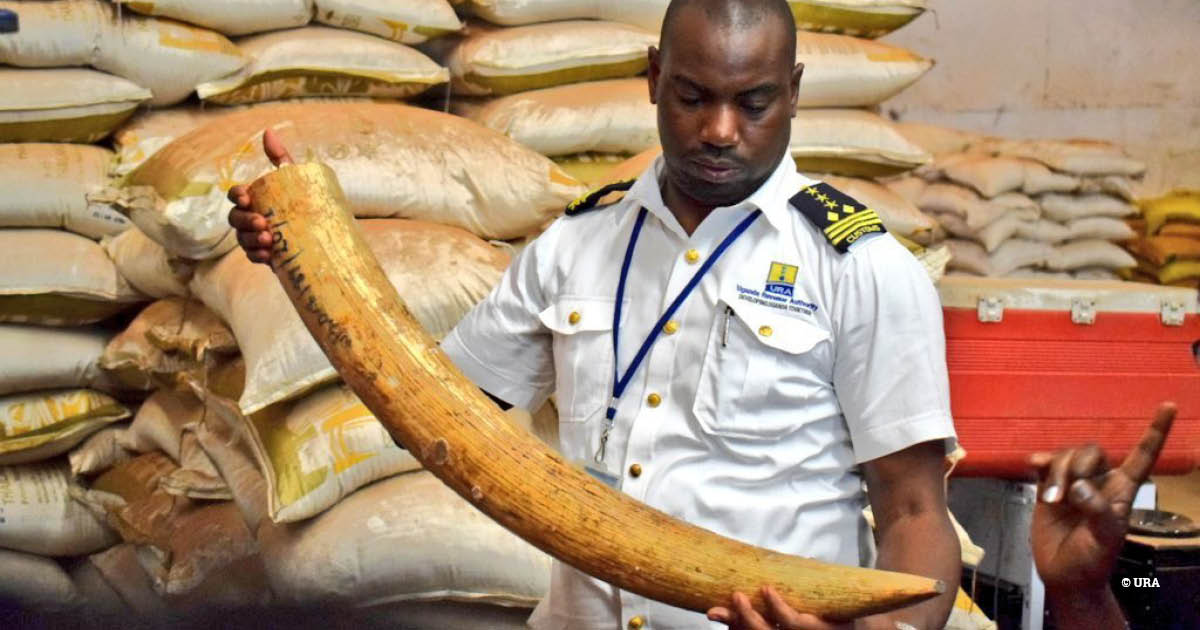
Uganda continues to lose an estimated $20 million (about Shs77 billion) every year due to illegal wildlife trade and trafficking, despite multiple government interventions.
Shockingly, officials say the vice is being perpetuated by some of the very people entrusted with fighting it—law enforcement officers and other government employees.
The revelation was made on Thursday evening by Chemonges Mongea Sabilla, Head of Legal and Corporate Affairs at the Uganda Wildlife Authority (UWA), during a meeting of the National Anti-Wildlife Crime Coordination Taskforce held in Hoima City.
Sabilla said the illegal trade remains rampant across the country, with reports indicating collusion between traffickers and individuals within key government institutions.
"It is disturbing that some security units, which should be protecting our wildlife, are instead involved in these criminal acts,” he said.
According to UWA’s latest report, Uganda has been losing approximately $20 million annually since 2013 due to wildlife trafficking and related crimes.
In response to the rising threat, the government set up wildlife courts, police and UPDF environmental protection units, and security checkpoints at border posts. Yet, the trade continues to thrive.
“It is unfortunate that despite these interventions, several entities including UWA staff, the National Forestry Authority (NFA), and even local communities are colluding in this illegal business,” Sabilla added.

Michael Kyakashari, the Deputy Resident City Commissioner (RDC) of Hoima, also confirmed the disturbing trend.
“In Hoima City, people have been arrested keeping wild animals in their homes for business purposes. The problem is real and growing,” he said.
The disappearance of natural forest cover in Bunyoro Sub-region has made wildlife more accessible to poachers, further fueling illegal activity.
Stuart Maniraguha, executive director of the National Forestry Authority, expressed concern over the rapid environmental degradation in the region.
“Just a few years ago, Bunyoro was the most forested region in Uganda. People even mistook it for an extension of the Congo forests,” Maniraguha said.
“Now, the forests are gone, and we’re left wondering how this happened so fast.”
Maniraguha attributed much of the destruction to human activity linked to oil and gas exploration in the region. H
e warned that unless the trend is reversed, Uganda faces an environmental disaster.
“Most of the deforestation and wildlife loss has occurred within the last ten years. If we don’t act now, our dream of socio-economic transformation will come at the cost of our natural heritage,” he warned.
He called for stronger collaboration between stakeholders, including conservationists, local leaders, and security agencies, to combat forest crimes and restore lost resources.
Judith Lamo, a member of the National Anti-Wildlife Crime Taskforce, urged regional intelligence teams to identify and apprehend the key figures behind the wildlife trafficking networks.
“We need to go after the big fish. These operations are organized, and someone powerful is always behind them,” she said.
The Hoima meeting brought together stakeholders from across the region to strengthen efforts toward protecting and restoring Uganda’s natural resources.
As officials raise the alarm over law enforcement complicity and the rapid depletion of forests and wildlife, the challenge now lies in turning policy into action—before the country loses more of its ecological wealth.