

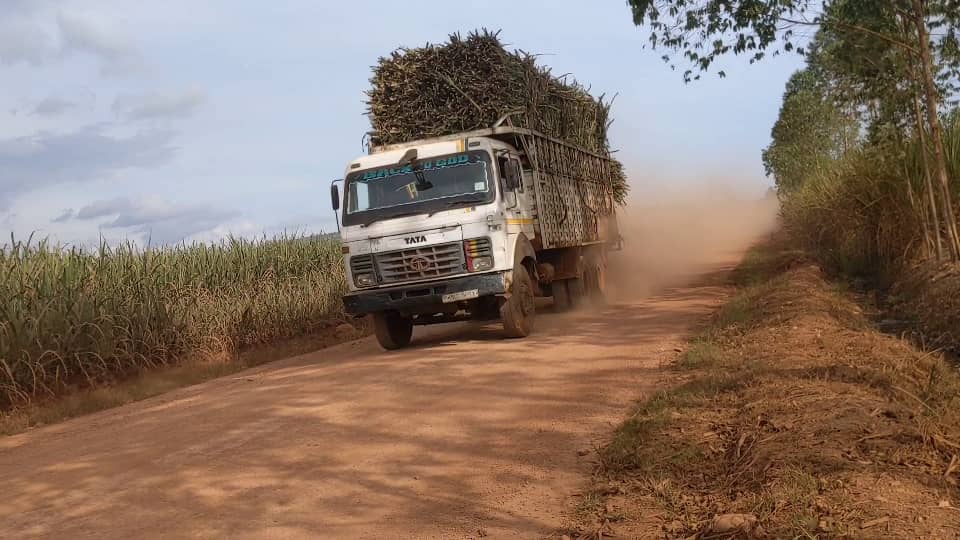
For decades, the roads of Busoga and surrounding sugarcane-growing regions have been filled with trucks ferrying cane from plantations to mills. Many of the truck owners and drivers have worked in the industry for generations, their livelihoods tied directly to sugarcane transport.
But now, uncertainty looms as factories increasingly turn to corporate logistics firms, leaving long-serving transporters anxious about the future.
Truck owners and drivers in Kakira and Njeru Municipality, in particular, have been affected.
“I own a truck and I have been transporting sugarcane from Madhvani’s shambas to the mill, but I was stopped and since then I have no work,” said one driver on condition of anonymity.
The abrupt cessation of contracts has left many questioning how they will support their families.
According to Isa Budhugo, Chairperson of the Uganda National Association of Sugarcane Growers, complaints from transporters have been steadily rising.
“Many of the sugar millers have started contracting new transport companies, abandoning the truck owners who have served them for years,” Budhugo said.
At GM Sugar in Njeru, the change was formalized in early September when management relieved all truck drivers. George Bamwine, GM Sugar Communications Manager, explained that the company was compelled to cut costs.
“Truck drivers have been overcharging by as much as Shs200,000 per route compared to what we are paying the new transporters. Even for long distances, our new partners charge less, and they negotiate directly with us to agree on rates,” he said.
Yet he admitted that challenges remain, noting that the company still does not have enough trucks to handle the volume of cane crushed daily.
The disruption reflects a larger shift in the industry, particularly in Kakira, Kayunga, and Amuru, where the Madhvani Group dominates sugar production.
For years, private transporters were essential for moving cane from Kakira Sugar Works and later from the Kayunga plantation, which covers about 4,200 hectares.
They also transported seedlings, fertilizers, and farm implements for outgrowers, ensuring that small-scale farmers remained integrated into the company’s operations.
The same applied when the Madhvanis started the Amuru Sugar Works, which spans a nucleus estate of 20,000 hectares with additional outgrower land.
But a new transport company, Gamma5 Logistics Limited, has consolidated these operations under a professional, centralised system.
Incorporated under the Madhvani Group and managed by one of the family’s grandsons, Gamma5 provides fleet management, transport coordination, and GPS tracking, alongside mechanical and electrical services for its trucks.
The company now handles the bulk of sugarcane transport and related logistics across the Madhvani plantations in Kakira, Kayunga and Amuru.
A worker in Kakira’s transport section, speaking anonymously, explained how Gamma5 has changed the landscape: “I understand there was an Indian who came to Madhvani with the idea of providing transportation to the company as a contractor so he was given the opportunity to do so.
"They are now handing over anything to do with transportation to Gamma5, even the local transporters who were doing it are being stopped.”
Long-serving transporters are bracing for displacement.
“Madhvanis gave me a small contract to transport their sugarcane, but very much worried now, with the coming on board of Gamma5, I know we shall be kicked out anytime,” said one truck owner, who also requested anonymity.
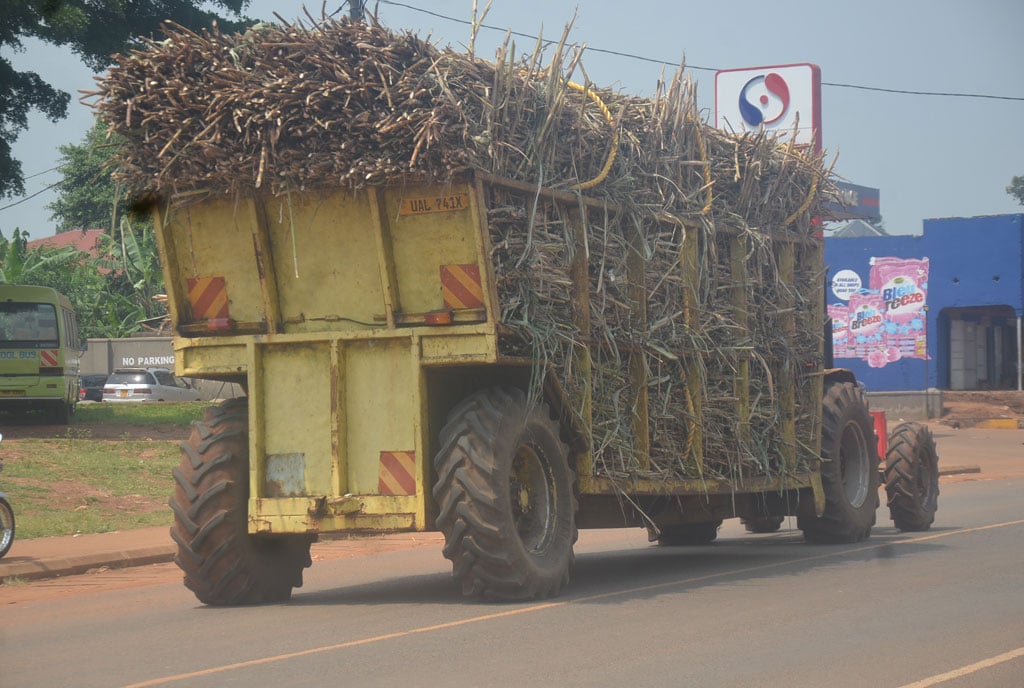
For many of these operators, sugarcane transport is more than a job—it is a family business. Some have operated the same trucks for decades, originally used for school transport before the Education Act barred the use of open trucks for children.
The Tata lorries that once ferried pupils now move sugarcane, often criticized for overloading and mechanical wear, yet they remain the lifeline for countless rural households.
The shift toward corporate-managed logistics highlights the tension between modernization and livelihoods.
On one hand, consolidating transport under Gamma5 brings efficiency, cost control, and improved safety. Aging trucks have long been associated with road damage and accidents, and centralized fleets offer GPS monitoring, scheduled maintenance, and consistent service.
On the other hand, the transition threatens to push many independent transporters out of business. Communities that have relied on these operators for decades now face potential economic hardship. Drivers, mechanics, and auxiliary staff employed by these small operators are among those most vulnerable.
The trend is not unique to Kakira. Across Uganda’s sugar belt, factories are increasingly favoring professional transport firms.
At GM Sugar, Bamwine emphasized the cost benefits, while also acknowledging the operational limits of the new arrangement. At Madhvani’s Kayunga plantation, the plan to eventually establish a separate mill will likely increase the demand for reliable, large-scale logistics, reinforcing the case for companies like Gamma5.
The Madhvani Group, one of East Africa’s largest conglomerates, has diversified interests including sugar, beverages, agriculture, and logistics.
Its sugar operations include Kakira Sugar Works, Kayunga plantation, and Amuru Sugar Works—the latter a joint venture with the Ugandan government where Madhvani holds a 51% stake.
Gamma5’s integration within this structure allows the group to streamline operations across vast estates, maintaining consistent service standards while reducing reliance on multiple independent operators.
Despite the disruption, some see opportunities for adaptation. Cooperatives or partnerships with Gamma5 could allow small-scale operators to retain a role in the supply chain.
Isa Budhugo stressed the importance of inclusive solutions: “We need to ensure that the livelihoods of our truck owners and drivers are not completely wiped out. There must be mechanisms for inclusion, or else decades of expertise will be lost.”
For many truck owners, however, the immediate reality is stark. The shift to corporate logistics has already curtailed incomes, leaving families uncertain about the future.
Transporters who once moved cane from the Nakalama, Kayunga, and Amuru estates now find themselves sidelined, watching as their longstanding contracts are awarded to modern fleets with professional drivers and GPS-enabled trucks.
The story unfolding in Uganda’s sugarcane transport industry is one of modernization clashing with tradition.
While sugar factories benefit from reduced costs, increased efficiency, and improved safety, local transporters are facing a profound disruption to their livelihoods.
As Madhvani and other sugar producers continue to expand operations and embrace corporate logistics, the human and economic impact on communities that have depended on cane transport for generations will remain a critical concern.
The roads of Kakira, Kayunga, and Amuru may now carry trucks from Gamma5 and other corporate operators, but behind every journey is a displaced transporter navigating a sudden shift in the landscape that has defined his family’s life for decades.