
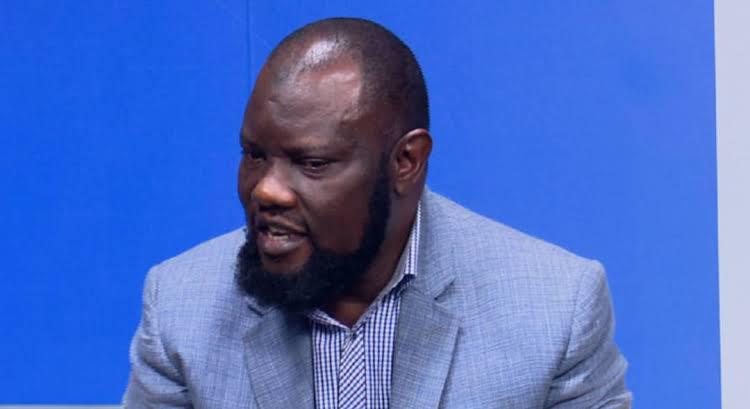
The Justice Forum (JEEMA) has challenged the government to account for trillions of shillings reportedly lost to corruption annually, saying graft remains Uganda’s biggest governance crisis.
JEEMA spokesperson Swaib Kaggwa Nsereko said the country’s failure to fight corruption effectively has weakened public trust and undermined service delivery.
Nsereko cited estimates by the Inspectorate of Government indicating that Uganda loses more than Shs 10 trillion every year through inflated contracts, ghost workers, bribery and abuse of office.
“If a few billion shillings were reportedly recovered from the homes of senior public officials, where are the trillions lost to corruption every year?” Nsereko asked.
He also questioned how recovered public funds are managed and accounted for, referring to claims by former Inspector General of Government Beti Kamya that some proposed audits faced resistance.
JEEMA argued that corruption continues to deprive Ugandans of essential public services, contributing to poor infrastructure, underfunded schools and medicine shortages in health facilities.
The party said widespread perceptions of bribery, nepotism and political patronage have eroded confidence in government institutions.
“Governments run on trust. When citizens believe every police officer demands a bribe and every job goes to a relative, they lose faith in the system,” Nsereko said.
JEEMA called for tougher accountability measures, including public asset declarations, open contracting systems, real-time audits and independent prosecution of corruption cases without political interference.
The opposition party also proposed stronger public oversight of government programmes, protection for whistleblowers and publication of budget allocations in accessible formats for citizens.
Nsereko said JEEMA would promote merit-based recruitment and require its leaders to declare their assets annually as part of efforts to strengthen integrity in public office.
The party maintained that corruption can only be defeated through strong institutions, public vigilance and equal application of the law regardless of political status.
It reaffirmed its commitment to building “a Uganda where rules matter, merit counts, and public office is about service not a shortcut to wealth.”
