

NALWADDA NSANGI
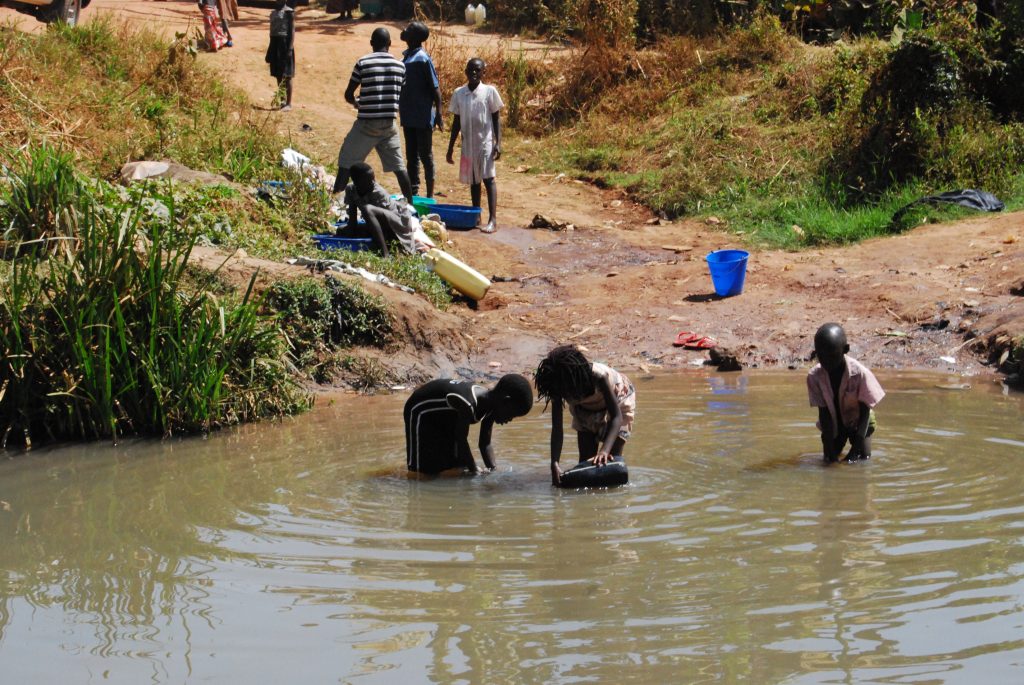
The National Water and Sewerage Corporation (NWSC) has cautioned residents in Arua Municipality against using water from River Enyau because it reportedly has it has huge deposits of faecal matter.
Badru Wandwasi, the NWSC area manager made the revelation during the monitoring by the municipal and district officials of the progress of the sewerage network installation project in Arua yesterday.
He further encouraged the public to use piped water to avoid risking their lives.
"The water is highly polluted, we have to do a lot of rigorous activity in the water to bring it to the acceptable standard so people should get used to tap water," he said.
Muzaid Khemis, the LC 3 chairperson River Oli Division, said that his area has for long been labeled the dirtiest and has suffered from cholera more than any other part of Uganda, so he doesn’t intend to sit and watch as the situation worsens.
"We observed there was a storage facility for the raw sewerage that arrives in a capacity more than what was planned for, then the excess goes into the river, I am giving national water three days to act," he said.
According to the secretary for social services committee in River Oli Division, Jamal Nasir, there is a need to boost power capacity in the region to ensure constant water flow in taps and enable people utilise piped water other than the contaminated sources.
"If the government can connect us to the national grid, the issue of power will be improved then the water system will also improve and our people will resort to use of piped water which will help us address health issues," Nasir said.
Arua municipality has a population of 62, 657 people according to the 2014 national census. This population generates 200 tonnes of rubbish a day yet the municipality has a capacity of collecting only 60 tonnes.
The rest of the rubbish ends up clogging the streams and sewer lines leading to overflow and the bursting of these lines.