
Conservation experts, researchers, policymakers, and government officials have called for increased investment in wildlife research and scientific innovation to address growing threats to Uganda’s biodiversity.
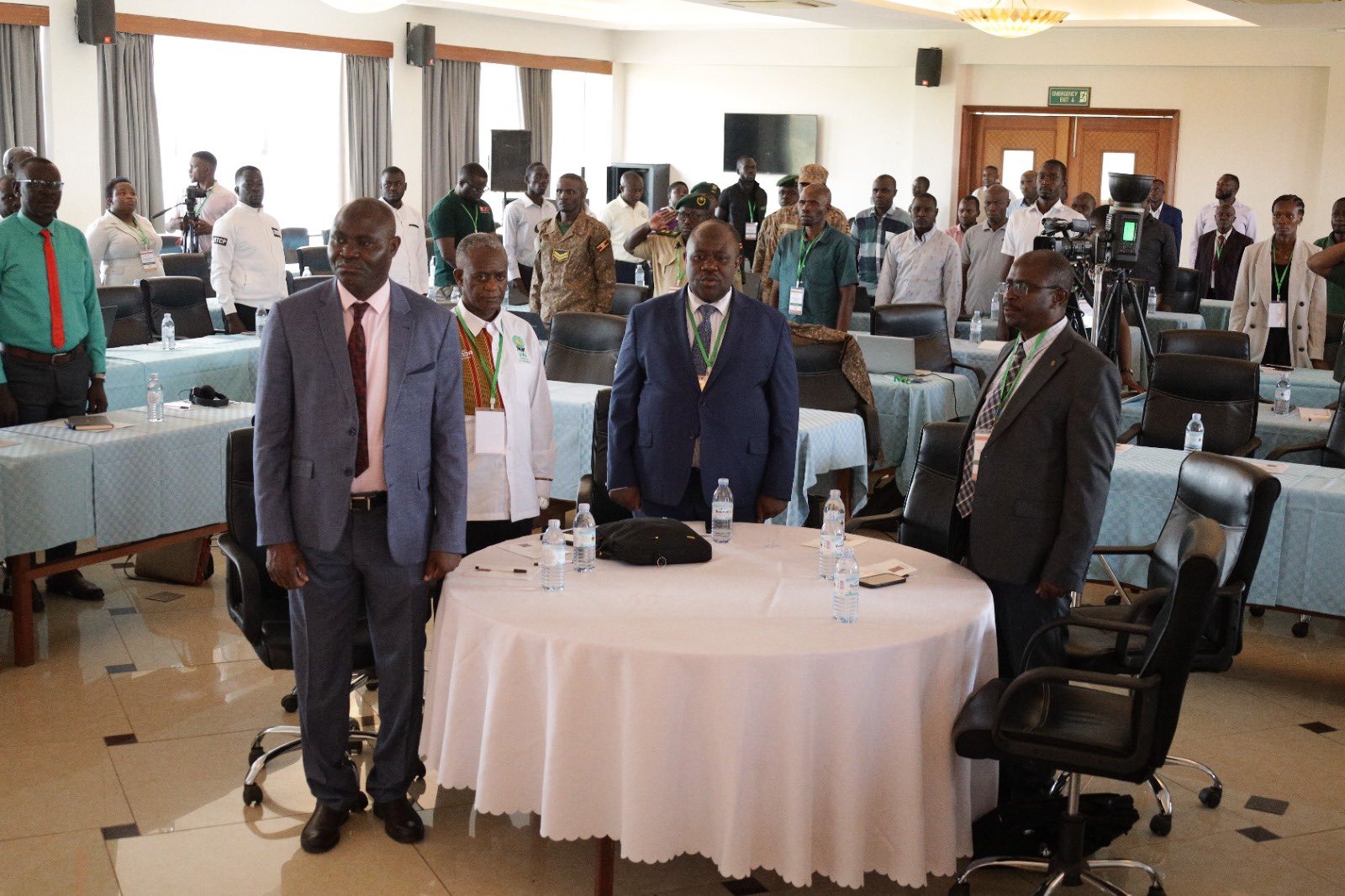
The call was made during the inaugural National Biodiversity and Conservation Research Symposium 2026, held at Kampala Nile Resort in Namanve under the theme, "Biodiversity Under Threat: Science, Innovation and Collaborative Responses."
Jointly organised by the Uganda Wildlife Authority (UWA) and the Uganda Wildlife Research and Training College (UWRTC), the symposium brought together stakeholders from government, academia, conservation organisations, and development partners to discuss evidence-based solutions to biodiversity loss.
Speaking at the opening ceremony, UWRTC Principal Robert Baluku said Uganda’s biodiversity is facing mounting pressure from climate change, habitat degradation, invasive species, illegal resource extraction, human-wildlife conflict, and rapid land-use changes.
"These challenges threaten not only wildlife and ecosystems but also the livelihoods and well-being of millions of people who depend on natural resources," Baluku said.
He noted that UWRTC has intensified research efforts aimed at generating scientific evidence to support wildlife management, conservation planning, and policy formulation.
Baluku also called for the establishment of a centralized wildlife research database and a Uganda Wildlife Research Journal to improve knowledge sharing and strengthen conservation decision-making.
Representing the Minister of Tourism, Wildlife and Antiquities as Chief Guest, Dr. Bashir Ajer emphasized the importance of ensuring that research findings do not remain on shelves but are translated into practical conservation solutions.
He urged institutions to keep "the fire of knowledge burning" by publishing research findings and integrating scientific evidence into the operational structures of both the Ministry of Tourism, Wildlife and Antiquities and the Uganda Wildlife Authority.
Dr. Ajer noted that research alone is not enough unless it informs action.
"Evidence without adaptation changes nothing," he said, calling for stronger links between research, policy, and practice to address emerging conservation challenges.
He commended researchers, scientists, and academicians for generating critical knowledge that continues to guide conservation efforts and sustainable development in Uganda.
The Director of Tourism, Wildlife and Antiquities reaffirmed the government's commitment to supporting research, innovation, ecosystem restoration, and evidence-based conservation, stressing that scientific findings must ultimately translate into measurable impact on the ground.
Earlier, Dr. Ajer underscored the importance of science in conservation, saying every management decision concerning species recovery, disease surveillance, climate adaptation, and human-wildlife conflict mitigation should be grounded in sound scientific evidence.
"Science must come first because without evidence we are merely guessing. Innovation must follow because evidence without application changes nothing. Then collaborative response must complete the chain because no single ministry, agency, or country can protect biodiversity alone," he said.
The symposium also highlighted the growing challenges of wildlife crime, habitat loss, climate change, and increasing human-wildlife conflict, which conservationists say require coordinated responses from government, communities, and development partners.
Participants were encouraged to openly share research findings, strengthen partnerships, and invest in the next generation of conservation scientists who will drive Uganda’s biodiversity agenda.
Organisers said the symposium marks the beginning of a national platform for advancing science-driven conservation and ensuring that research remains central to wildlife management and environmental policy.
The event attracted representatives from government agencies, conservation NGOs, academic institutions, and international development partners, including Makerere University, the Jane Goodall Institute, and the Wilderness Project.
The symposium is expected to generate recommendations that will inform future conservation policies and biodiversity management strategies in Uganda.
