

Stakeholders have called for increased investment in refugee women and girls to enable them take up leadership roles and contribute meaningfully to their communities.
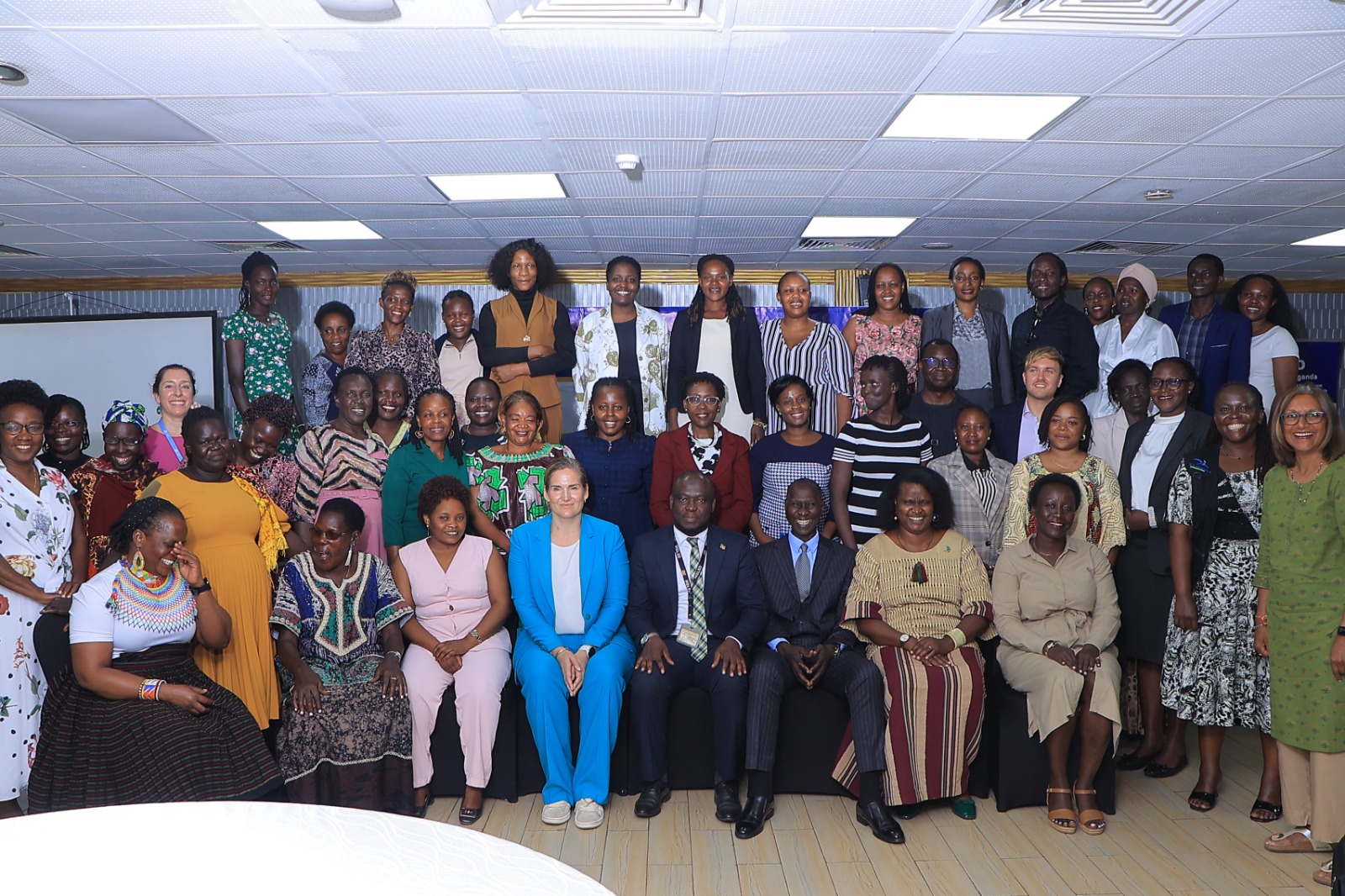
The call was made during the SHE LEADS Conference 2026, held under the theme, "Celebrating Women Leading Change in Refuge and Resilience," and organised by YARID, UCOBAC, CEFORD and Woord en Daad under the LEAD Uganda Project at Hotel Africana in Kampala.
The conference brought together refugee women leaders, policymakers, civil society actors and development partners to reflect on progress made in advancing women's leadership within refugee-hosting communities and discuss barriers that continue to hinder their participation in decision-making processes.
Speaking at the event, Julius Onen, the Country Representative for Woord en Daad-Uganda , commended Uganda's refugee policy and stressed the need to equip refugee women with practical skills and leadership opportunities.
"One of the biggest challenges we face in Africa is management. If people in leadership positions are not equipped with the necessary skills, even significant financial investments may fail to deliver results," Onen said.
He argued that empowering women benefits entire communities, noting that women often play critical roles in resource management, household welfare and community development.
"Women need to be empowered, skilled and given the tools to manage their own affairs. When refugee women are empowered, they become contributors to the socio-economic development of both their host communities and their countries of origin when they eventually return home," he said.
Onen also called for culturally sensitive approaches to women's empowerment, particularly in communities where social norms continue to limit women's participation in leadership.
Representing UNHCR, Sibo Mutangula, a Community-Based Protection Officer, emphasized the importance of investing in girls from an early age if societies are to produce future women leaders.
"Leadership begins in adolescence. It begins when a girl has access to education, when she is safe, when she is heard, and when her potential is supported," Mutangula said.
She noted that adolescent girls in refugee and host communities continue to face challenges including early marriage, gender-based violence, limited access to education and social exclusion.
"These challenges are not just protection concerns; they are barriers to leadership. When girls are denied education, their opportunities narrow. When they face violence, their confidence is affected, and when their voices are excluded, their leadership is delayed," she added.
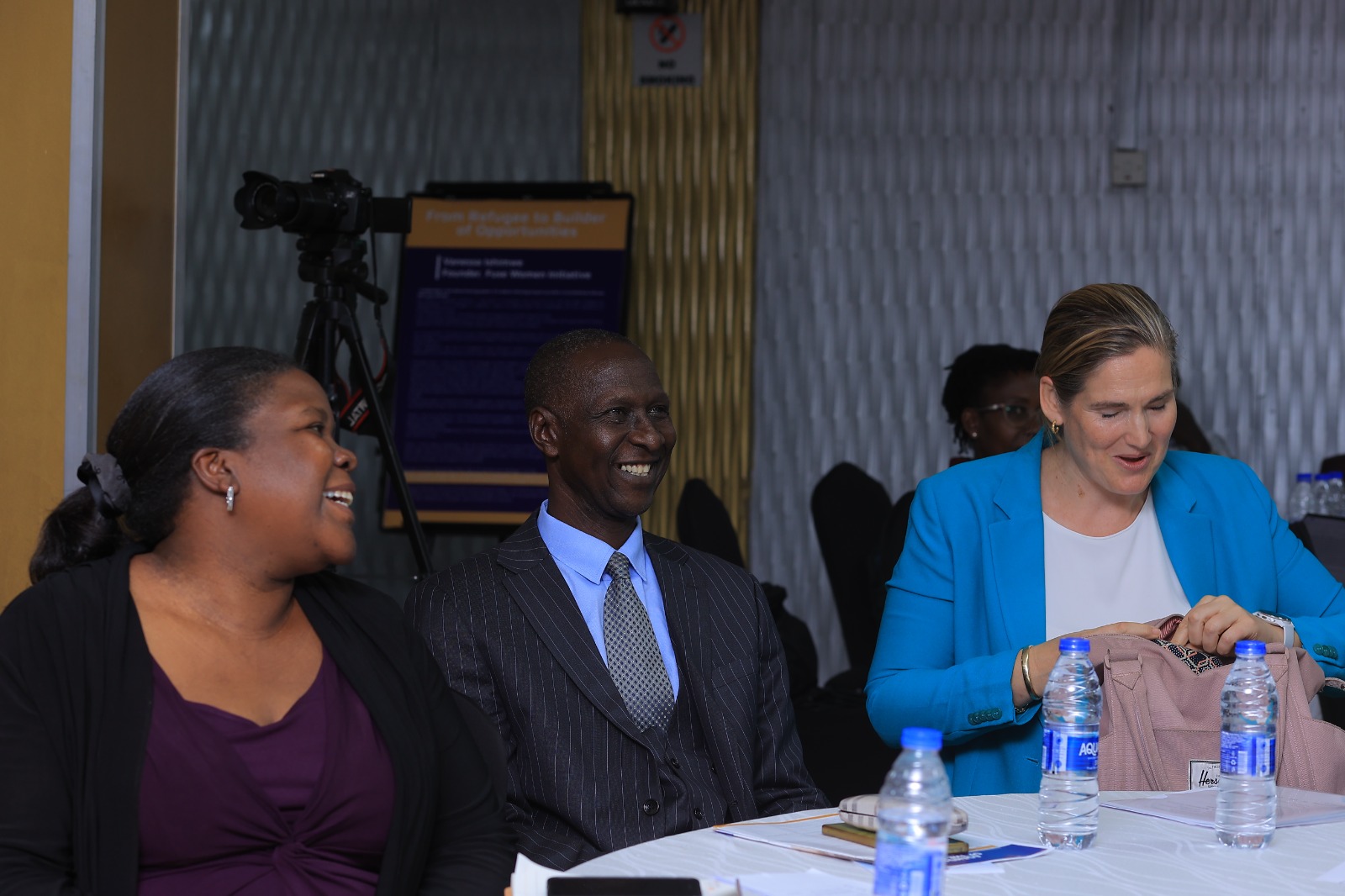
Mutangula urged stakeholders to move beyond discussing girls' issues and instead create platforms where girls can actively participate in decision-making.
"Girls are not just beneficiaries. They are active agents of change and future leaders who can strengthen the resilience of their communities," she said.
John Bosco Ssentamu, an official from the Office of the Prime Minister reaffirmed government’s commitment to support refugees.
Millie Nancy Lagu, a South Sudanese refugee who has lived in Uganda for nearly 14 years and serves as an Assistant Programme Manager under the refugee-led project Hope in the Heat, credited leadership training and mentorship for helping her become a community advocate.
"Today I stand tall because I have been empowered. The training and support we received have enabled us to speak on behalf of fellow refugee women and support others to improve their lives," Lagu said.
She called for sustained support to women-led initiatives, arguing that empowerment programmes should reach more women across refugee settlements.
Lagu also highlighted cultural barriers that continue to hinder women's leadership.
"In many African cultures, women are still expected to remain in the background. Some people believe women belong only in the kitchen or at home. We need to challenge those beliefs and ensure women are given equal opportunities to lead," she said.
She appealed to governments and cultural leaders to work together to address harmful norms that discourage women from participating in leadership and public life.
Uganda remains Africa's largest refugee-hosting country, accommodating nearly two million refugees and asylum seekers. According to humanitarian agencies, women and children account for approximately 78 percent of the refugee population.
Despite growing representation of women in refugee governance structures, stakeholders noted that significant gaps remain, particularly in access to leadership opportunities, education, protection services and funding for women-led organisations.
Participants called for stronger partnerships, increased funding for refugee-led initiatives and deliberate efforts to ensure women and girls are represented in decision-making spaces at all levels.
They argued that empowering women leaders is essential not only for improving refugee welfare but also for building resilient communities capable of responding to future social and economic challenges.