

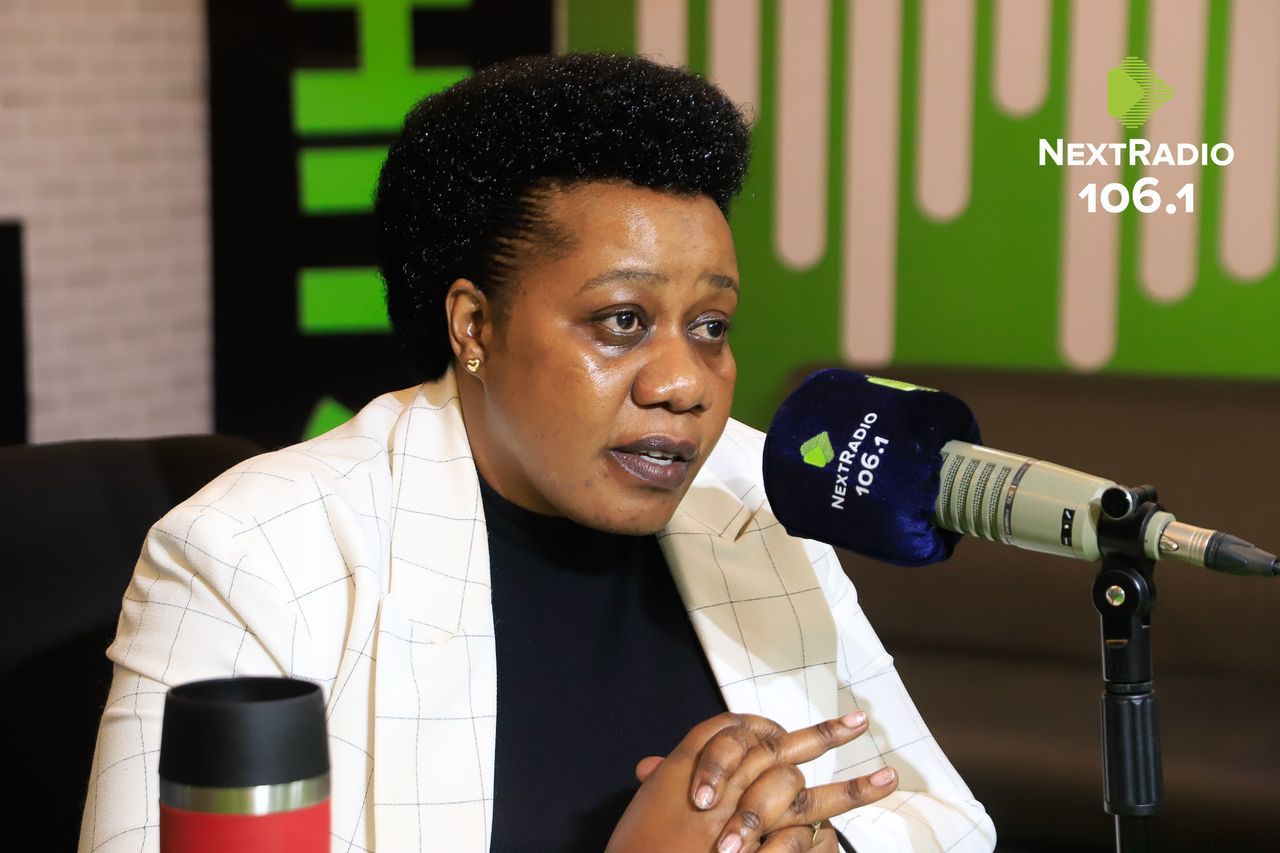
The Executive Director of the Centre for Constitutional Governance, Sarah Bireete, has questioned the inclusivity and political neutrality of Uganda’s Heroes Day commemorations, arguing that the national event increasingly reflects partisan narratives rather than a shared national memory.
Bireete said the manner in which Heroes Day is observed raises “difficult questions about inclusivity, historical justice, and national cohesion” within Uganda’s multiparty political context.
“Uganda marks Heroes Day on June 9, a date that has, over time, become both a moment of national remembrance and a mirror reflecting the country’s unresolved political divisions,” she said.
She noted that while Heroes Day is officially meant to honour individuals who contributed to Uganda’s freedom and stability, its historical evolution has influenced how heroism is defined and recognised in the country.
Bireete pointed to the shift from May 27, which was observed during the Obote II administration, to June 9 following the rise of the National Resistance Movement (NRM) in 1986, aligning the commemoration with the 1981–1986 liberation struggle.
She argued that this shift placed greater emphasis on the NRM’s bush war narrative in shaping Uganda’s modern historical memory.
According to Bireete, the current framing of Heroes Day risks sidelining other historical contributions, including pre-1986 struggles, cultural leaders, civil society actors, and other forms of public service.
“While governments everywhere shape national memory, the Ugandan case stands out for how one historical narrative has become dominant, leaving earlier struggles and contributors less visible,” she said.
She also questioned the criteria used in awarding national honours, arguing that recognition appears to favour individuals aligned with the ruling establishment.
“Heroism is not synonymous with party allegiance. A nation that honours only its supporters risks sending a message that sacrifice counts only when it aligns with power,” she said.
Bireete called for reforms to make Heroes Day more inclusive, including recognition of contributors from all political eras, transparent criteria for national honours, and broader community participation in identifying local heroes.
She said such reforms would help reposition the commemoration as a unifying national event rather than a divisive political symbol.
“Only by lifting Heroes Day above partisan lines can Uganda transform it from a contested political ritual into a genuine moment of national healing and shared pride,” she added.
The Centre for Constitutional Governance has previously advocated for reforms in governance, transparency and constitutionalism within Uganda’s multiparty political system.