

The Righteous Assembly of Christ International Church in Buloba has launched an ambitious five-year development programme dubbed "Leave No Man Behind", aimed at economically empowering men, strengthening families, improving food security, and transforming the livelihoods of church members and pastors.
The initiative, guided by the slogan "Thriving Men, Thriving Homes," seeks to address economic and social challenges affecting many Christian households by equipping men with practical skills, income-generating opportunities, and leadership capacity within their families and communities.
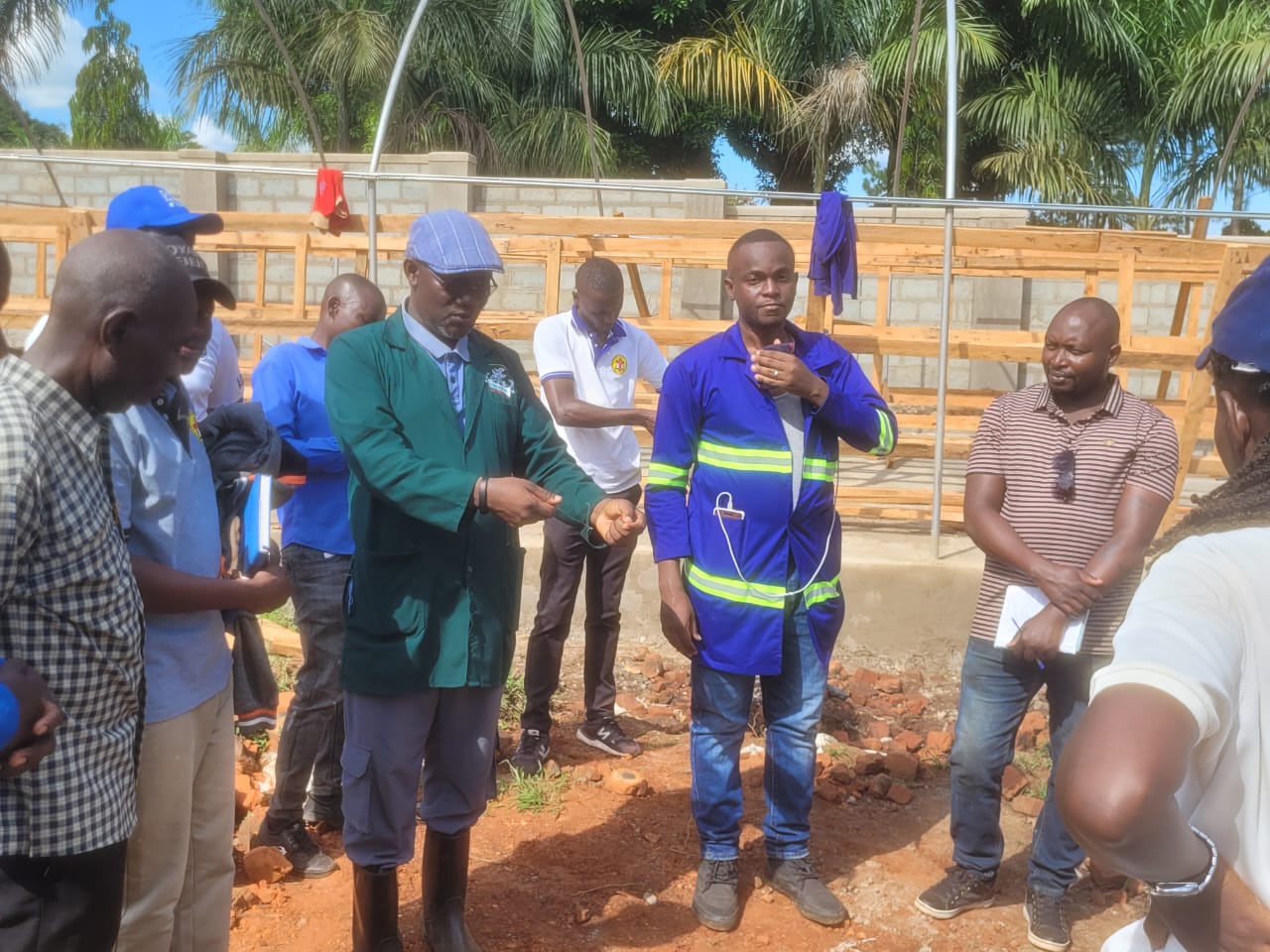
The programme was highlighted during a study tour at a coffee farm owned by Dr Robert in Kiryammuli, Kayunga Sub-county, where church leaders and members gathered to learn modern farming practices that can improve household incomes and promote self-reliance.
According to Stephen Kasagga, the programme was conceived after church leaders observed that many believers were struggling to meet basic needs despite remaining active in ministry.
He said many families lacked food security, faced difficulties paying school fees, and were trapped in cycles of poverty that undermined household stability and community development.
Kasagga noted that the church became particularly concerned about the growing number of men who lacked reliable sources of income, making it difficult for them to provide for their families and fulfill their responsibilities as heads of households.
"We realised that many believers were living for survival rather than thriving. Many men wanted to take responsibility for their families but lacked opportunities and resources. As church leaders, we have a responsibility not only to feed God's people spiritually but also to empower them economically," Kasagga said.
He added that the church deliberately designed a model that integrates spiritual growth with economic empowerment.
"We developed an ecosystem where a man can support his family, fulfil his responsibilities, and at the same time serve God effectively," he said.
Under the programme, the church has introduced the concept of "Jesus for All Men," encouraging men to combine Christian values with productive work, responsible family leadership, and community transformation.
Kasagga explained that banana cultivation was selected as the programme's initial focus because of its direct impact on household welfare.
According to church leaders, bananas provide food security, improve nutrition, support livestock farming, and generate income while offering families a reliable food source throughout the year.
After addressing food security, the church identified coffee growing as a strategic enterprise for long-term wealth creation and sustainable household income.
Church leaders believe coffee production can enable families to pay school fees, improve housing conditions, meet household expenses, and invest in other productive ventures.
"We started with bananas because no family can prosper on an empty stomach. Once food security is assured, coffee becomes the income engine that enables families to educate their children, build stable homes, and support the work of God," Kasagga said.
The five-year programme, which began in 2024 and will run until 2029, will also promote modern farming techniques, skills development, savings culture, and other income-generating activities aimed at creating self-reliant households.
During the study tour, participants received training in coffee production, farm management, and agricultural best practices that can be replicated in their communities.
Church leaders believe that economically empowered men are better positioned to strengthen marriages, reduce poverty, improve children's access to education, and contribute positively to community development.
They expressed confidence that by the end of the programme, many participating families will have established sustainable enterprises, increased household incomes, enhanced food security, and built stronger and more resilient family units.