

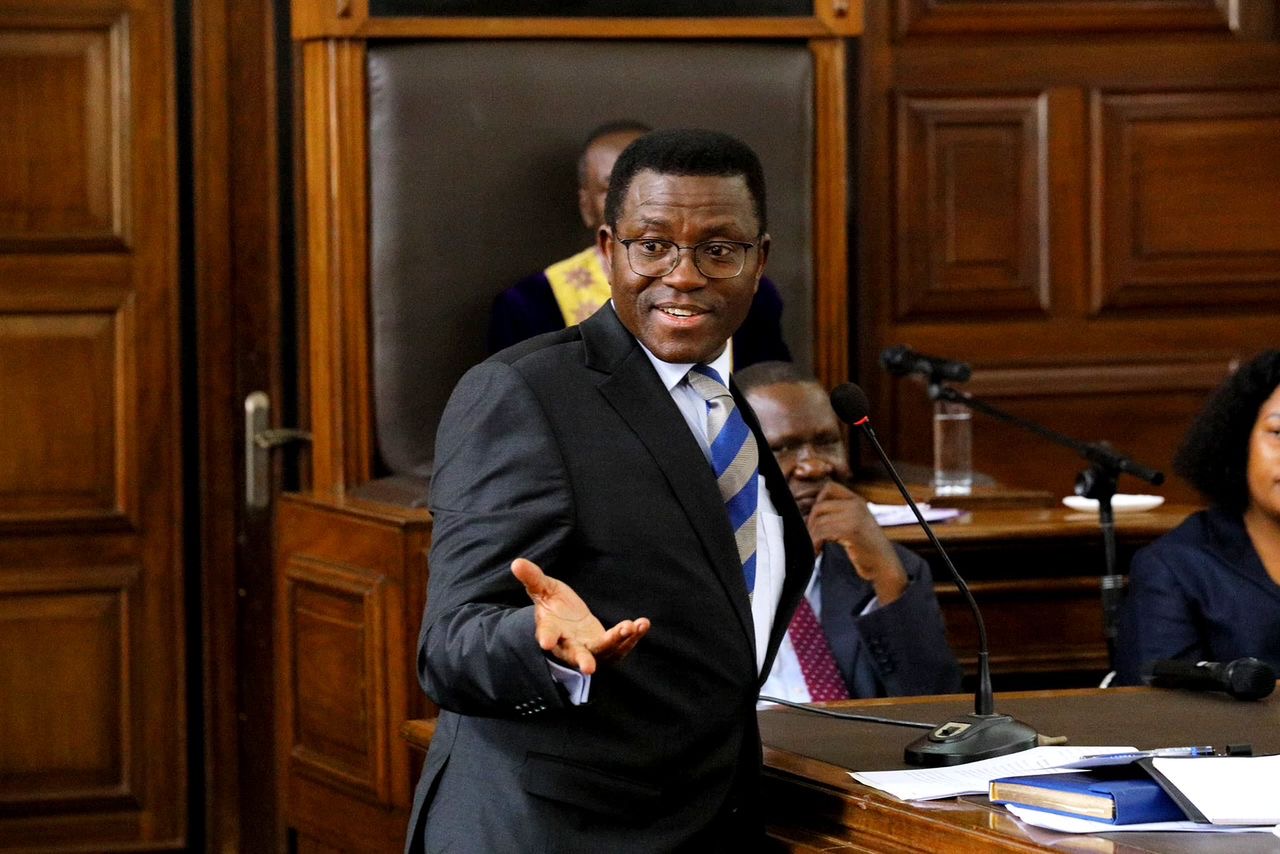
The Katikkiro of Buganda, Charles Peter Mayiga, has called for greater recognition of Kabaka Muteesa I and Kabaka Mwanga II during Uganda Martyrs Day commemorations, saying both monarchs played significant roles in shaping the country’s Christian history.
In his Martyrs Day message, Mayiga said Ugandans should honour not only the martyrs who died for their faith but also the historical figures whose actions influenced the spread of Christianity in Uganda.
Mayiga noted that St. Charles Lwanga was burnt to death on June 3, 1886, at Namugongo, where the Uganda Martyrs Shrine now stands.
He said there are 24 canonised Catholic Martyrs and 23 Anglican Martyrs, with many of the executions taking place at Nakiyanja.
The Katikkiro described Kabaka Muteesa I as a pivotal figure in Uganda’s history, crediting him with inviting missionaries and teachers to Buganda, a move that laid the foundation for the introduction and growth of Christianity.
“As we commemorate the Martyrs and Christianity, we should pay respects to Ssekabaka Muteesa I, who invited teachers and missionaries and is the father of modern Uganda,” Mayiga said.
He also urged Ugandans to remember Kabaka Mwanga II, whose decision to execute the martyrs, he argued, was influenced by efforts to defend the sovereignty of his kingdom amid growing foreign influence.
“Mwanga II ordered the killing of the martyrs as he struggled for his country’s sovereignty, but in the process planted the Christian seed in Uganda,” Mayiga said.
The Uganda Martyrs remain among the most revered figures in the country’s religious history and one of Uganda’s strongest religious tourism attractions, drawing pilgrims and visitors from across Africa and beyond each year.
The annual pilgrimage generates substantial income for hotels, transport operators, food vendors and other businesses around Namugongo. However, this year’s celebrations were scaled back after authorities cancelled the main national gathering due to the Ebola outbreak.