

The National Curriculum Development Centre (NCDC) has released findings from a survey recommending Luganda as the medium of instruction for lower primary classes in Uganda’s central region.
The research, conducted across Eastern, Northern, Western, and Central Uganda, identified 22 indigenous languages as feasible for early grade teaching, with Luganda standing out as the most widely spoken in the central region.
The study is part of efforts to address challenges in implementing the thematic curriculum introduced in 2007, which requires pupils in Primary One to Primary Three to learn in familiar local languages to strengthen literacy, numeracy, and life skills.
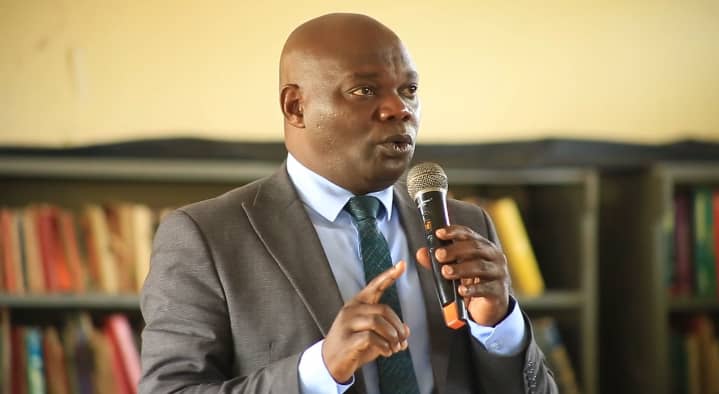
Speaking at a stakeholder engagement held at Luwero Secondary School in Luweero District, NCDC Deputy Director for Research, Dr. Richard Irumba, said the survey findings are intended to guide government on effective language policy for education.
“Without language, our culture is lost. This is why government is emphasizing the promotion of culture through teaching lower primary in local languages,” Dr. Irumba noted.
Despite the survey’s recommendations, some stakeholders from the districts of Luweero, Nakasongola, Nakaseke, Ssembabule, Kiboga, and Kyankwanzi expressed reservations about Luganda’s dominance, calling for the preservation of their own mother tongues.
Enako Phoney, Secretary General of the Nubi Language Board, said her community was disappointed with the focus on Luganda, warning that they were not ready to comply.
In response, NCDC clarified that while Luganda could serve as the instructional medium in many areas, other local languages could still be taught as subjects if communities organized themselves and developed instructional materials.
Stakeholders also highlighted teacher preparedness as a key challenge.
Nakasongola District Education Officer, Sam Mbangire, criticized the phasing out of Grade III teachers, saying graduate teachers often lack the skills to teach in local languages and urged government to support refresher training to ensure effective implementation.
To strengthen the policy, NCDC revealed that it has developed 35 instructional materials in local languages, though English continues to dominate largely because of examinations.
The survey and consultative meetings are part of ongoing efforts by NCDC to refine Uganda’s thematic curriculum and build consensus on language use in lower primary education.