

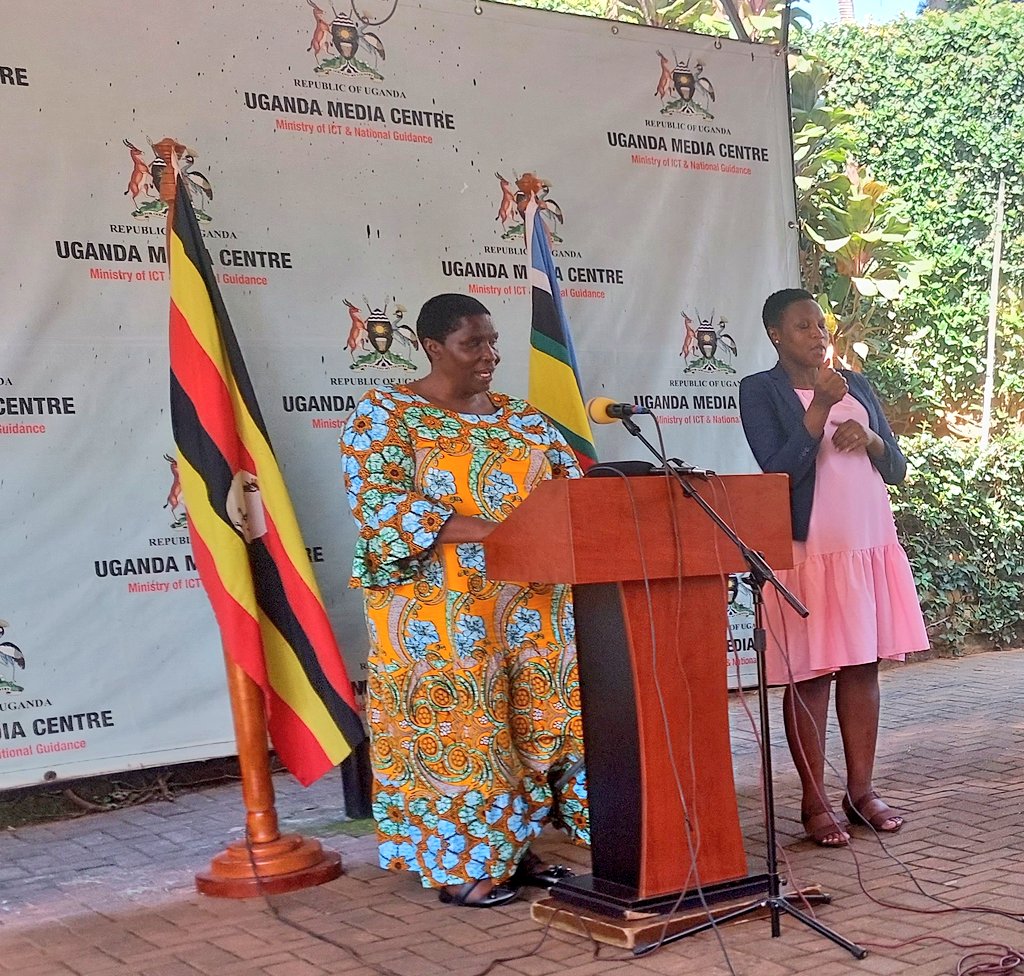
The Minister of State for Disability Affairs, Hellen Grace Asamo, has expressed concern over the high prevalence of Spina bifida and Hydrocephalus in Uganda.
These conditions have become significant public health concerns in the country.
Spina bifida is a birth defect where a developing baby's spinal cord fails to develop properly. It occurs when the spinal cord doesn't close properly while in the womb.
Hydrocephalus is the accumulation of fluid in the brain's cavities. The excess fluid puts pressure on the brain and can cause brain damage. It is most common in infants and older adults.
The minister's remarks were made ahead of the commemoration of the World Day for Spina Bifida and Hydrocephalus, scheduled for October 25, 2023.
This year's theme is "Accessibility for all; Empowering lives, embracing differences."
It is estimated that 11.7% of live births in Uganda, or approximately 10,000 births, are affected by these conditions.
Spina bifida often leads to lifelong physical and cognitive disabilities, including a co-occurring condition called hydrocephalus, which affects the accumulation and circulation of cerebrospinal fluid in the brain.
Hydrocephalus affects over 8,000 people each year, with 40% of the cases being post-infectious hydrocephalus, 30% related to spina bifida, and 30% congenital hydrocephalus.
Despite the high prevalence of Spina bifida and hydrocephalus in Uganda, Asamo highlighted the lack of public awareness and understanding surrounding these conditions.
This leads to social stigma, discrimination, and limited accessibility to services and information for affected individuals and their families. The situation presents several challenges:
"Many individuals with Spina bifida and hydrocephalus in Uganda face difficulties in accessing essential healthcare services, such as qualified medical professionals, diagnostics, surgeries, rehabilitative therapies, and assistive devices. The availability of specialized care centers in the country is inadequate," she said.
Asamo also noted that due to limited awareness and understanding of Spina bifida and hydrocephalus, affected individuals and their families lack crucial information about prevention, early diagnosis, and management of the conditions.
This lack of knowledge contributes to delayed interventions and increased health complications. Furthermore, the limited information on prevention has led to increased prevalence rates.
"Misconceptions and prevailing societal attitudes towards disability can lead to stigmatization and marginalization of persons with Spina bifida and hydrocephalus. Discriminatory practices hinder their inclusion in society, limiting their education, employment, and social opportunities," she added.
"By raising awareness and promoting accessibility to services and information, we can collectively work towards empowering individuals affected by Spina bifida and hydrocephalus in Uganda,"she stated.
She noted that by promoting awareness, accessibility, and empowerment, the country aims to create a more inclusive society for individuals with Spina bifida and hydrocephalus.
The minister added that this will help reduce the burden of disability and enable affected individuals to lead more fulfilling lives with improved health outcomes.