

Kira Municipality Legislator Ibrahim Ssemujju Nganda, a prominent figure within the Forum for Democratic Change (FDC) party, is set to table a motion in Parliament addressing the emoluments and entitlements of the President.
The announcement was made during a press conference at the Parliament, where Nganda outlined the urgency of the motion against the backdrop of the economic challenges Uganda faces, particularly after the World Bank's withdrawal from providing loans to the country.
Nganda, serving as the FDC Parliamentary whip, emphasized that the proposed motion aims to steer the country away from its current economic crisis, which has been exacerbated by the discontinuation of financial support from the World Bank.
"The motion seeks to explore avenues to alleviate the economic difficulties our country is facing, especially in light of the recent cessation of loans from the World Bank." Nganda stated.
The legislator pointed to the request by the Bank of Uganda for a substantial recapitalization of 1 billion US dollars. This move comes after a reported encroachment of 3.6 billion Ugandan shillings from the government into the reserves of the central bank.
Nganda highlighted concerns about the significant size of the President's office, which employs over 761 staff members. He contended that this bloated workforce contributes to the escalating expenditure of the State House. He also raised questions about the transparency of the recruitment process at State House.
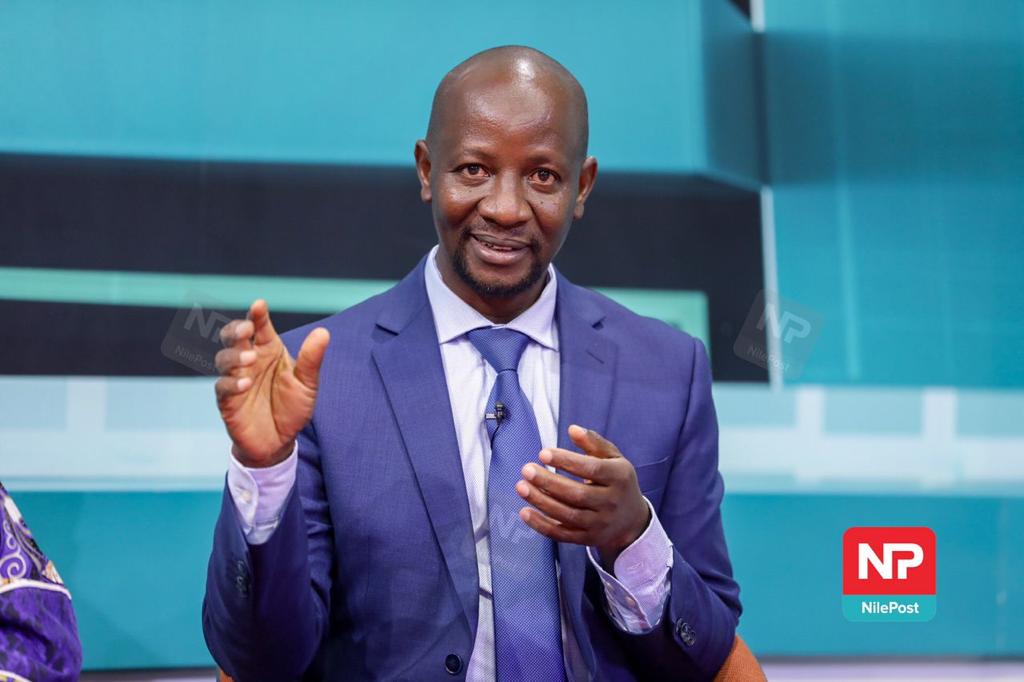
Furthermore, Nganda expressed unease about the disparities in salary among Presidential advisors, with the highest-paid advisor earning 17 million Ugandan shillings, while the lowest-paid receives 2.3 million shillings.
He criticized the allocation of resources within State House, claiming that the institution operates a fleet of over 600 vehicles, consuming a staggering 7 billion shillings on fuel and maintenance annually. Nganda underscored the need for fiscal responsibility, especially as World Bank funding is no longer available.
Nganda's motion also draws attention to the number of employees at State House, which he views as unsustainable following the cessation of World Bank funding.
"With the withdrawal of World Bank funding, it is imperative to reevaluate the number of employees at State House, which currently stands at 996." He noted
The impending motion is expected to spark deliberations within the Parliament, addressing both the economic challenges and the allocation of resources in the presidential office. Nganda's proposal signifies his commitment to advocating for fiscal prudence and transparency in the face of economic uncertainties.