

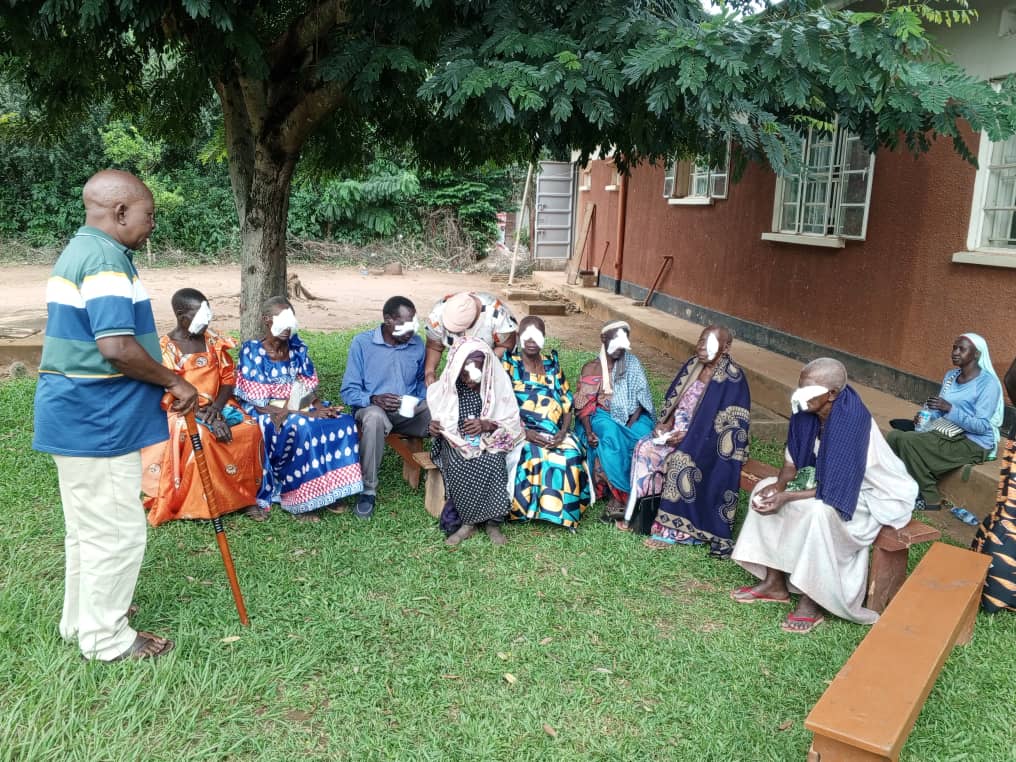
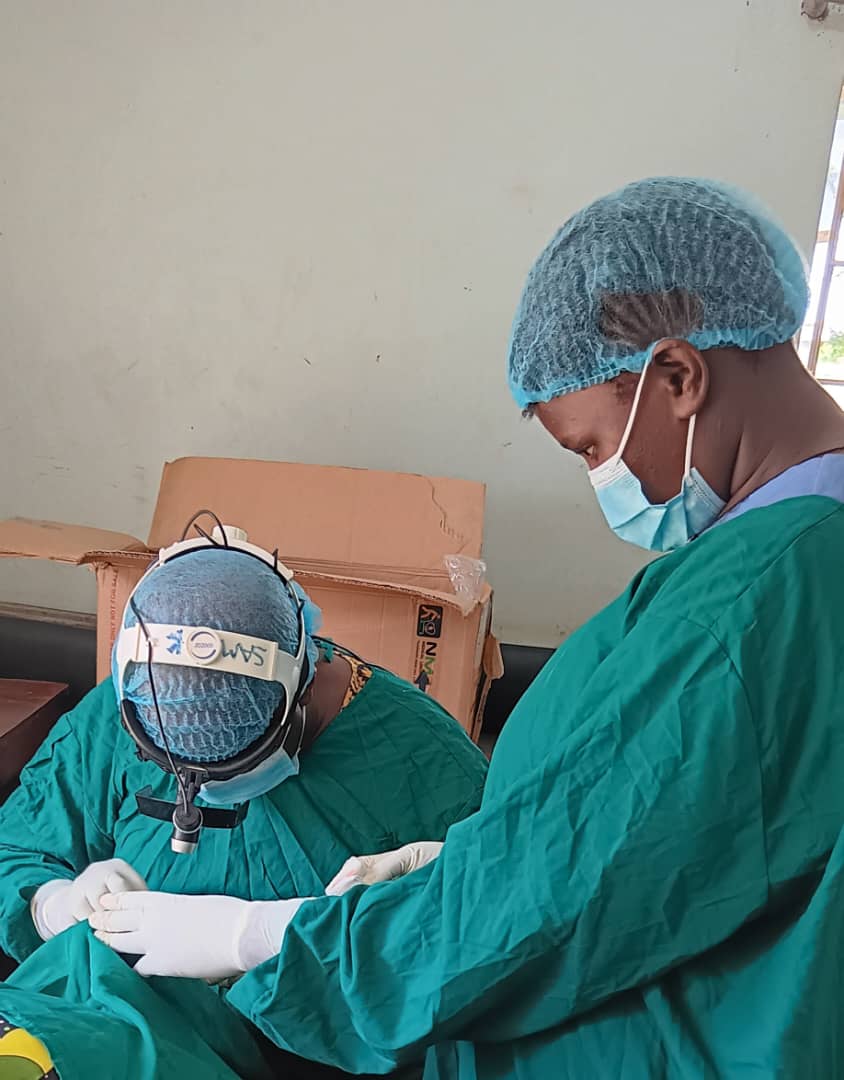
At least 36 residents suffering from trachomatous trichiasis, a painful advanced stage of trachoma that can lead to irreversible blindness, have undergone free corrective surgery during a week-long medical outreach in Kayunga District aimed at eliminating preventable vision loss.
The exercise, implemented by the Ministry of Health in partnership with Sightsavers under the National Trachoma Elimination Program, was conducted across 11 health facilities, reaching patients in both remote and accessible communities.
Health officials said the campaign was designed to restore sight, relieve pain, and prevent blindness among patients whose eyelashes had turned inward and were scratching the surface of the eye, a condition that worsens over time if untreated.
Speaking after the exercise, Paul Byakika, the district trachoma coordinator, said the intervention formed part of ongoing national efforts to eliminate trachoma as a public health problem in Uganda.
“We have successfully operated on more than 1,000 patients during this one-week exercise. Most of these patients were suffering from trachomatous trichiasis, a condition where eyelashes turn inward and continuously scratch the eye, causing severe pain and eventually blindness if not treated,” Byakika said.
He noted that many affected residents had lived with the condition for years due to limited access to specialised eye care services and lack of awareness about available treatment.
“Some patients have endured this condition for a long time because they could not afford treatment or did not know that surgery was available. This outreach has given them an opportunity to regain comfort and protect their eyesight,” he added.
Health workers explained that trachoma is a bacterial infection and remains one of the leading infectious causes of blindness globally, particularly in communities with poor sanitation and limited access to clean water.
They said the disease spreads through direct contact with eye and nasal discharges from infected persons, contaminated materials such as towels, and flies that breed around human waste, stressing that hygiene and environmental sanitation remain critical in breaking transmission.
“Trachoma spreads through direct contact with eye and nasal discharges from infected persons, contaminated materials such as towels, and through flies that breed around human waste. That is why hygiene and environmental sanitation are very important in controlling the disease,” Byakika explained.
He urged communities to adopt preventive measures such as regular face washing, proper waste disposal, and consistent use of clean water.
“Surgery alone can not eliminate trachoma. Communities must maintain facial cleanliness, improve sanitation, and seek treatment early. Prevention remains the most effective way of stopping new infections and protecting future generations,” he said.
According to health workers, the surgeries were conducted free of charge by trained eye-care specialists, with patients receiving post-operative care and health education aimed at preventing reinfection. Officials also indicated that 37 cases were managed in total during the outreach.
Beneficiaries praised the programme for bringing specialised eye care services closer to their communities, saying the intervention had ended years of pain, discomfort, and fear of losing their sight.
District health officials commended the Ministry of Health and Sightsavers for supporting the outreach, describing it as a major step towards achieving Uganda’s goal of eliminating trachoma as a public health concern.
The National Trachoma Elimination Program uses the World Health Organization’s SAFE strategy—Surgery, antibiotics, facial cleanliness, and environmental improvement—to combat the disease and prevent avoidable blindness.
Health authorities said they will continue extending similar interventions to hard-to-reach communities to ensure no resident is left behind in the fight against preventable blindness.