

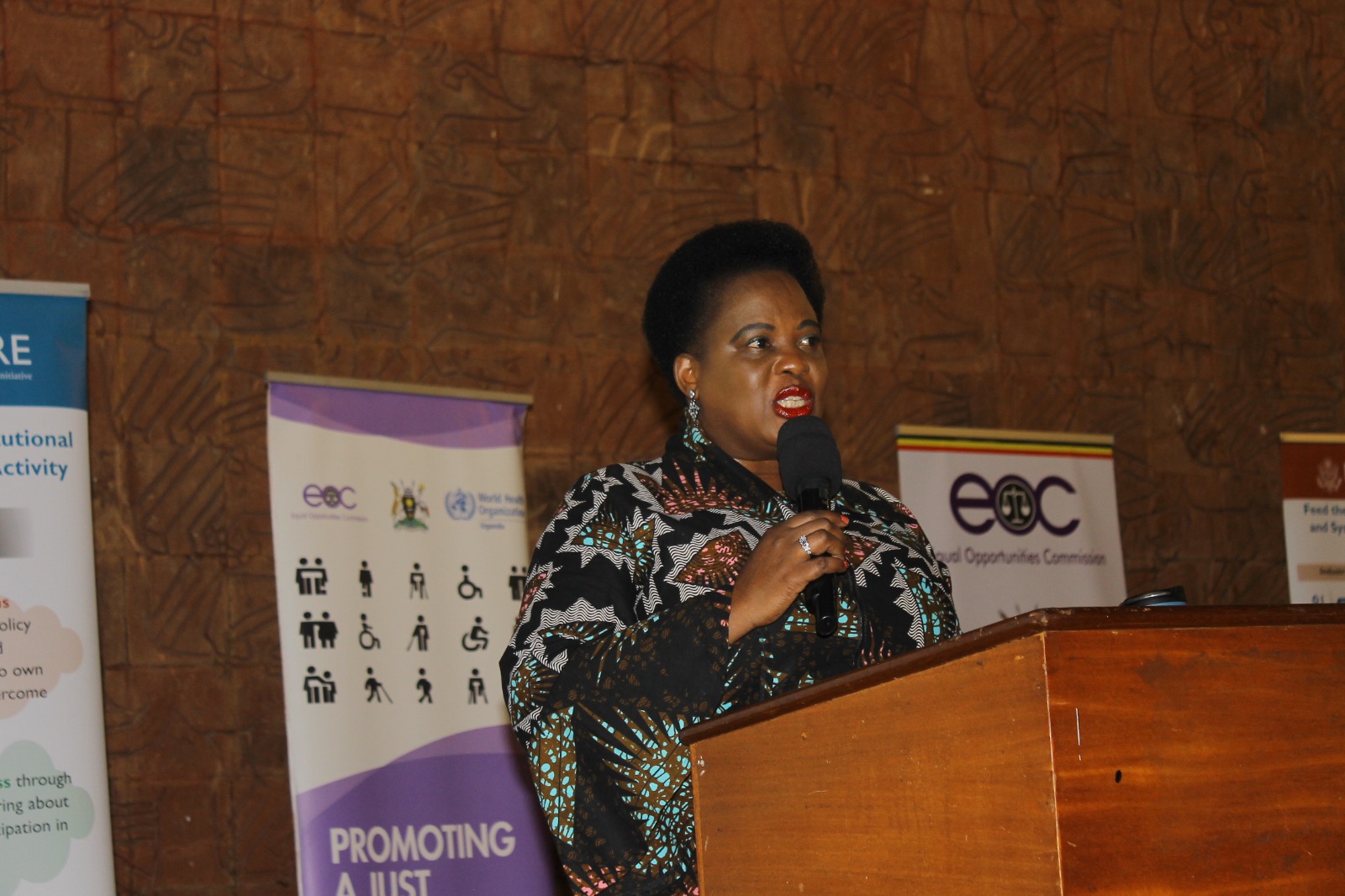
The Minister of Labour, Gender, and Social Development, Betty Amongi, has announced plans to export 53% of unemployed nurses to Germany and United Kingdom (UK) to address the increasing unemployment rates in the country.
These remarks were made during a high-level reflection dialogue on gender and equity planning and budgeting, which was hosted by the Equal Opportunities Commission (EOC) and included various Ministries, Departments, and Agencies.
The theme of the dialogue was "Strengthening Gender and Equity Responsive Planning and Budgeting in Uganda for Increased Household Incomes and Improved Quality of Life for Ugandans."
This discussion takes place as the Equal Opportunities Commission enters its 13th year of existence, with the third Commission completing its second year in office, and the Public Finance Management Act of 2015 having been enacted nine years ago.
Amongi mentioned that she will be traveling to Germany and the UK next week to finalise negotiations with the institutions and authorities that are responsible for agreeing with the government of Uganda.
"We have initiated negotiations with Germany and UK, and it has been indicated that we can send nurses to these countries. So, I am traveling next week to conclude the agreements and sign the export agreement through our embassy," she told the Nile Post.
However, Amongi clarified that this initiative only applies to nurses and not doctors.
"As you are aware, there are many private entities that are currently training nurses.
Through our analysis and statistics, we found that over 53% of these trained nurses are unemployed in government entities and the private sector. So, those are the individuals we want to support with this opportunity," she explained.
She further stated that these nurses will be employed as caregivers in these countries.
"These countries are in need of nurses and caregivers, as their older population is increasing, but they lack a younger population to care for them.
There are more sick older people in hospitals, but there aren't enough nurses to attend to them," she added.
Once the bilateral agreements are concluded and the numbers are agreed upon, the nation will be informed.
The government will work to understand the types of nurses and caregivers that are needed, according to Amongi.
In May of this year, the Uganda Nurses and Midwives Union (UNMU) revealed that discussions were already underway to send some of the 3,000 well-skilled nurses, who are currently unemployed, to work abroad.
This labour externalisation plan comes in response to concerns that the number of medical workers in Uganda is insufficient to provide quality care to the growing number of patients.
Additionally, there are issues with low pay in private healthcare facilities, and some nurses and midwives are not satisfied with the enhanced salaries provided by the government.
A 2019 Health Workforce report by international civil society organizations, Wemos Health Unlimited and African Centre for Global Health and Social Transformation, highlighted a significant deficit.
Experts have indicated that the country needs to employ 55,000 nurses to effectively serve the population and reduce deaths in healthcare facilities.
Currently, the government employs 28,000 nurses and midwives out of the 62,000 qualified individuals in Uganda.
Labour companies are seeking to employ qualified nurses in the UK for approximately Ush5 million ($1342) per month, following an upfront payment of Ush20 million ($5369) for the recruitment process.
The plan to send nurses and doctors abroad was first mentioned by Amongi, in February of last year.
However, the Uganda Medical Association (UMA) contested the plan, citing an alarming shortage of medical workers in public health facilities across the country that the government should first address.
As part of the programme budget approach, Among stated that the Ministry of Gender aims to develop a strategic plan for 2020-2025, focusing on enhancing employability, livelihood, inclusive growth, and wealth creation.
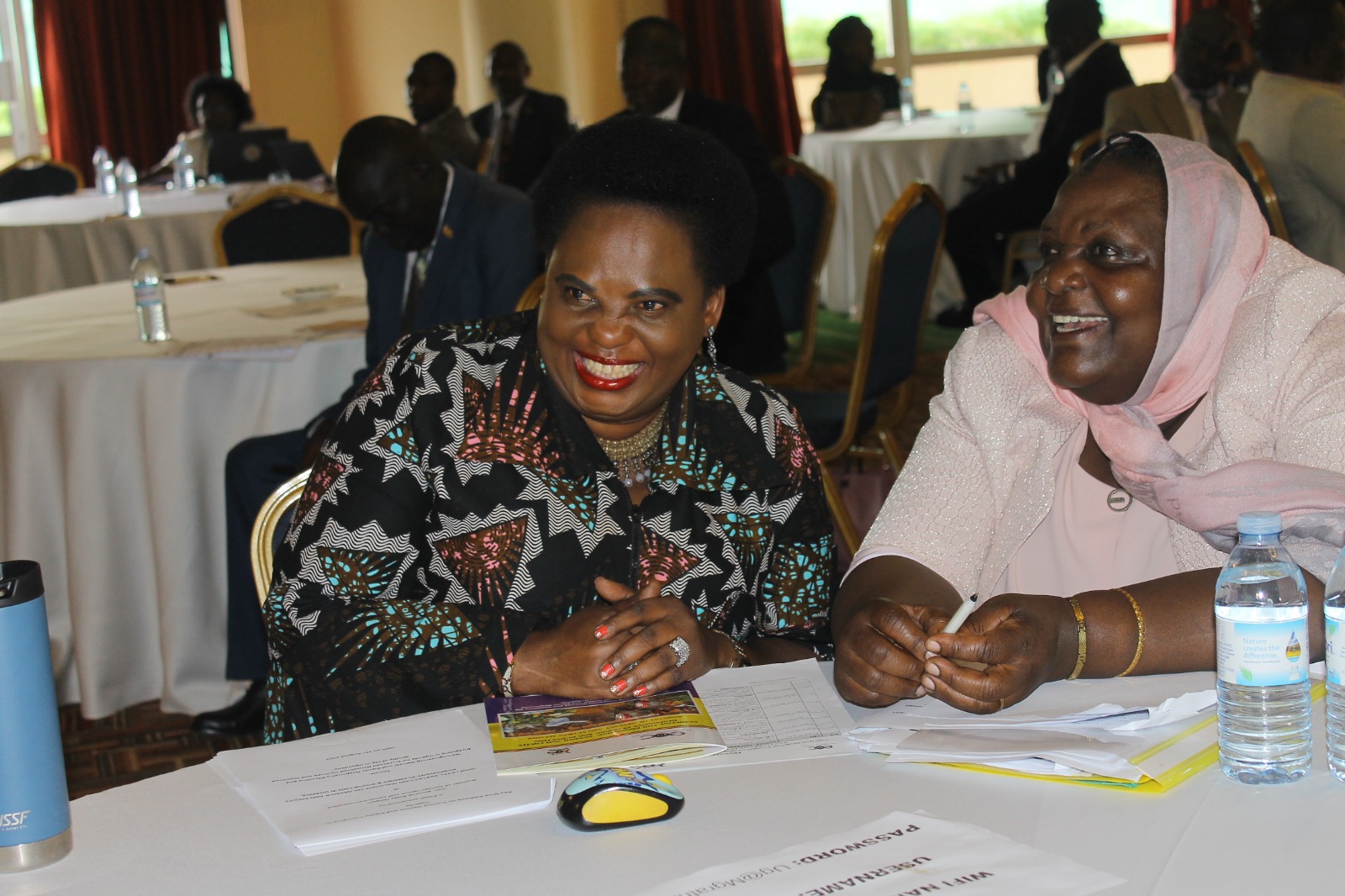
Safia Nalule Jjuko, Chairperson of the EOC, expressed gratitude for President Museveni's commitment to embracing gender and equity in planning and budgeting through the Public Finance Management Act of 2015.
She emphasised that this law has set a precedent for all actors, indicating that gender and equity planning and budgeting are not the sole concern of the Ministry of Gender and Social Development but also of all Ministries, Departments, Agencies, and development partners.
Over four financial years, the allocation towards gender equity interventions has increased from 25.8% to 43.6% of the total budget.
While this represents increased appreciation for gender and equity in programming, Nalule acknowledged variations within sectors regarding allocations that specifically target marginalized groups.
She recommended the continued development of gender-sensitive fiscal policies, the use of gender and equity disaggregated data to inform plans and budget decisions, robust accountability, close supervision, monitoring, reporting, as well as conducting value for money audits and participatory gender and equity audits for MDAs.
She said they will ensure that data generated for youth, children, older persons, women, persons with disabilities, and gender-disaggregated locations highlight gender inequalities and biases among these groups.
The EOC should also review assessment criteria to give equal importance to gender and equity in planning and budgeting.
Sarah Opendi, Chairperson of Uganda Women Parliamentary Association (UWOPA), encouraged Ugandans to embrace gender and equity budgeting and programming, emphasising that gender issues are not women's issues alone.
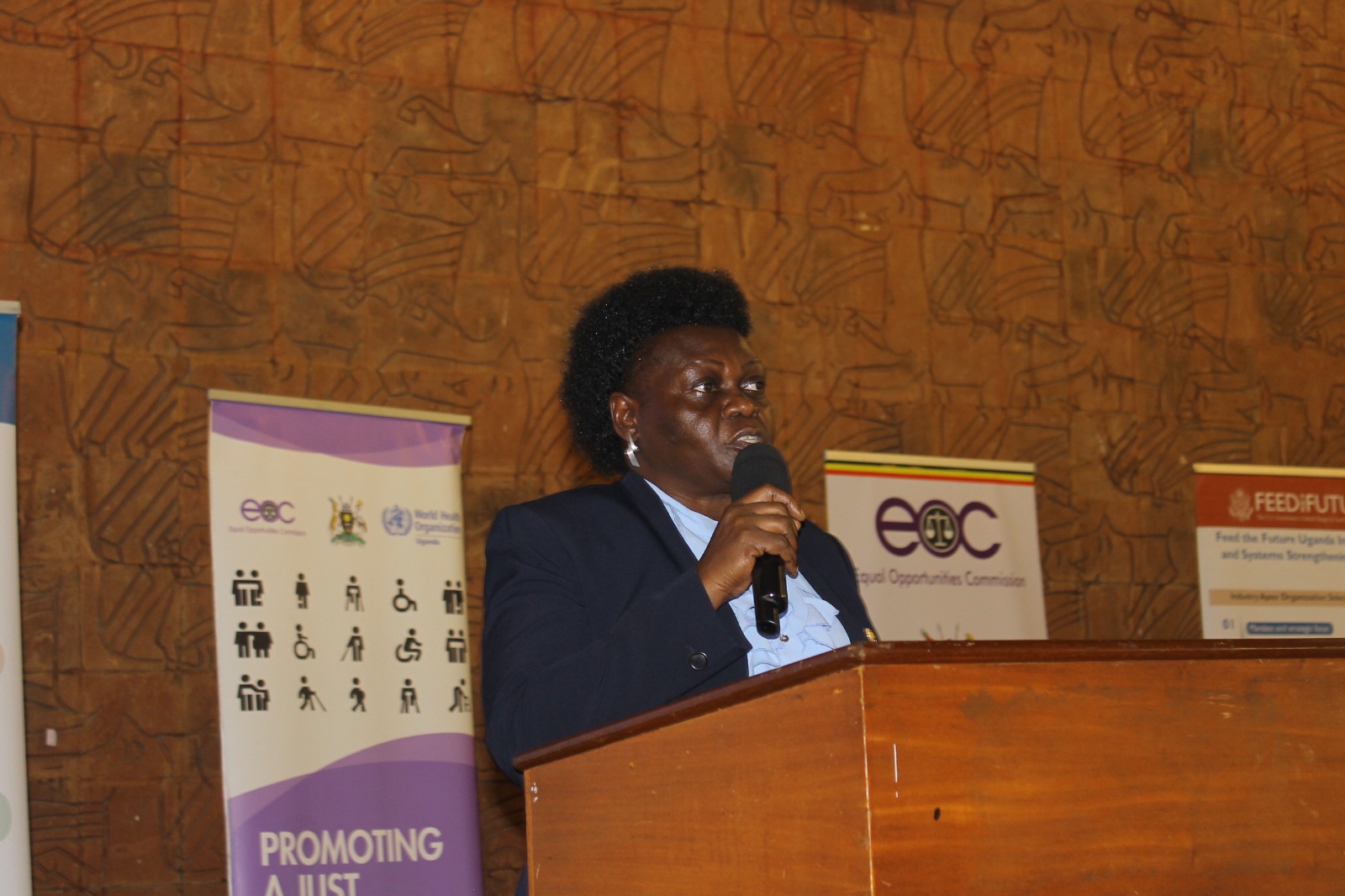
"As members of parliament and as the Uganda Women Parliamentary Association, we pledge to work closely with the Equal Opportunities Commission to ensure that all Ugandans are treated equally and benefit without discrimination," she stated.